If you’re getting into heat transfer printing, you’ve probably noticed something pretty quickly: everyone talks about sublimation ink and vinyl—but no one clearly tells you when to use which.
At first glance, they can feel interchangeable. Both go through a heat press. Both decorate blanks. Both can create professional-looking products. But in reality, they serve very different purposes, and choosing the wrong one can lead to faded prints, poor adhesion, or simply products that don’t sell.
So instead of vague advice, let’s break this down in a practical, real-world way—so you can confidently decide what to use, based on materials, colours, product types, and even market demand.
Where Each Method Shines (Quick Overview)
Before diving deep, here’s a simple way to think about it:
Use Sublimation Ink when:
- You’re working with polyester fabrics or polymer-coated blanks
- You want full-colour, photo-quality designs
- The base material is light-colored
- You care about long-term durability with zero cracking or peeling
Use Vinyl (HTV) when:
- You’re printing on cotton or mixed fabrics
- You need bold, solid-color designs (logos, text, numbers)
- The material is dark or colored
- You want flexibility across more product types
What Makes Them Different
Sublimation Ink: Built Into the Material
Sublimation isn’t just “printing on top”—it’s more like dyeing at a molecular level.
- The ink turns into gas under heat
- It bonds with polyester fibres or coating
- The result becomes part of the material itself
What you get:
- Ultra-smooth finish (no texture)
- No cracking, peeling, or fading (when done right)
- Perfect for gradients, photos, and complex designs
Limitations:
- Only works on light-colored, polyester-based surfaces
- Won’t show on dark fabrics
- Requires specific blanks (coated mugs, polyester shirts, etc.)
Vinyl (HTV): A Layer on Top
Heat Transfer Vinyl is exactly what it sounds like—a thin layer of material pressed onto the surface.
- You cut your design
- Weed out the excess
- Heat press it onto the product
What you get:
- Strong, vibrant colors (even on dark backgrounds)
- Works on cotton, polyester, blends, and more
- Ideal for bold, simple graphics
Trade-offs:
- Slightly raised texture
- Can crack or peel over time
- Not ideal for complex or photo designs
Choosing Based on Blank Materials
This is where most beginners go wrong.
Fabric Types
Polyester (or high polyester blends)
→ Go with sublimation ink
Best for:
- Sportswear
- Performance t-shirts
- Custom jerseys
- Tote bags (polyester)
Why?
Because sublimation chemically bonds with polyester, it performs best on polyester.
Cotton (100% or high cotton content)
→ Choose vinyl
Best for:
- Casual t-shirts
- Hoodies
- Baby clothing
- Streetwear-style apparel
Why?
Sublimation simply won’t bind to cotton fibres. Vinyl gives you full flexibility here.
Mixed Fabrics (e.g., 60/40 blends)
→ Depends on the result you want
- Vintage/faded look → sublimation (works partially)
- Sharp, bold design → vinyl
Hard Surface Blanks
Coated Products (polymer-coated)
→ Sublimation wins
Examples:
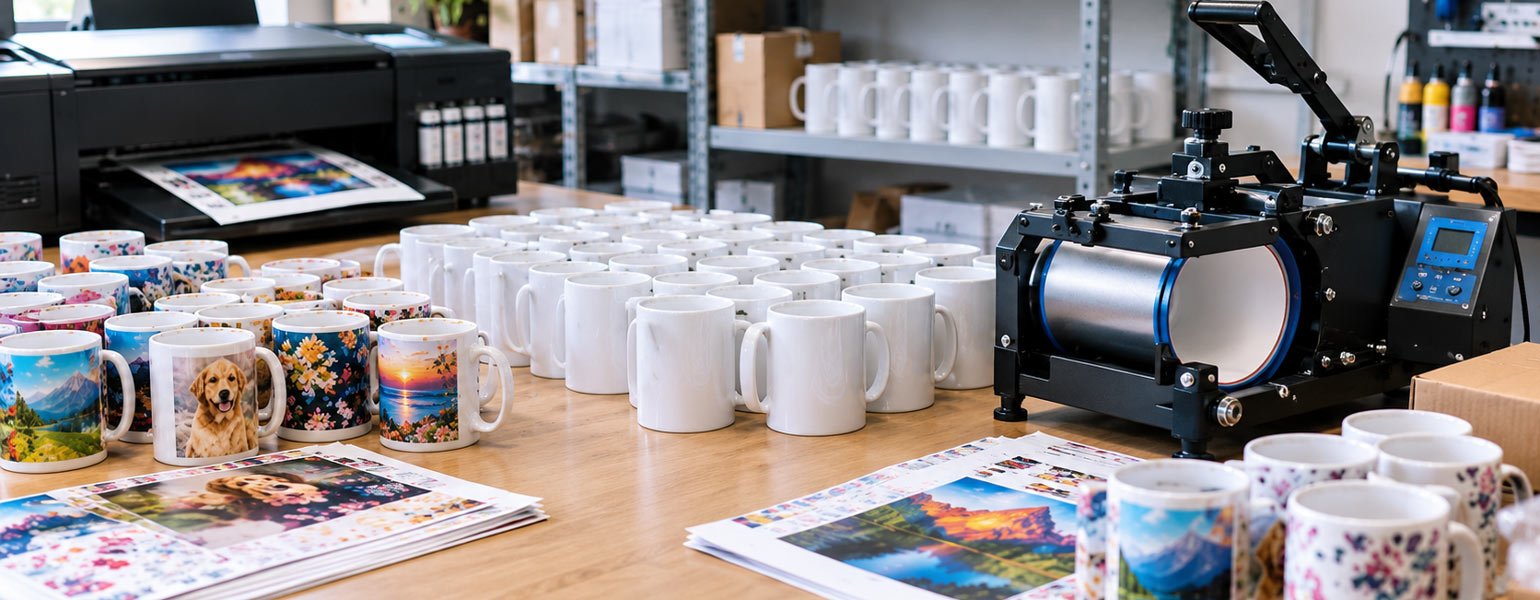
- Mugs
- Phone cases
- Metal panels
- Keychains
- Coasters
These are specifically designed for sublimation, giving you:
- High-definition prints
- Long-lasting results
Uncoated Surfaces
→ Vinyl
If the product isn’t coated, sublimation simply won’t work.
Light vs Dark: The Game-Changer
This is probably the single biggest decision factor.
Light-Colored Products
- Sublimation = top choice
- Vinyl = still usable
Sublimation gives:
- Seamless, ink-infused finish
- Professional, retail-quality look
Dark-Colored Products
- Sublimation = failed (won’t show)
- Vinyl = success (best option)
Vinyl allows:
- Bright designs on black/navy fabrics
- Strong contrast
- Popular streetwear aesthetics
When Both Can Work
There are situations where both methods are possible—especially with light-colored fabrics.
Let’s take a simple example:
White T-shirt
Using Sublimation:
- Soft, breathable finish
- No feel on the fabric
- Great for full-print designs
Using Vinyl:
- Slightly thicker feel
- Strong color blocks
- Better for logos or typography
Which Does the UK Market Prefer?
From a commercial perspective:
- Sublimation is popular for:
- Personalized gifts
- Photo products
- Sportswear
- Vinyl dominates in:
- Small clothing brands
- Custom slogan tees
- Event merchandise
If you’re selling in the UK:
- Clean, minimal vinyl designs are trending
- But sublimation still leads in Etsy-style personalised products
Durability Comparison
| Fade Resistance | Excellent | Good |
| Cracking/Peeling | None | Possible over time |
| Wash Durability | Very High | Medium–High |
| Texture | None | Slightly raised |
If longevity is your priority → sublimation
If versatility matters more → vinyl
Ease of Use: Which Is Beginner-Friendly?
Sublimation
- Easier workflow (print → press)
- No weeding
- Requires:
- Sublimation printer
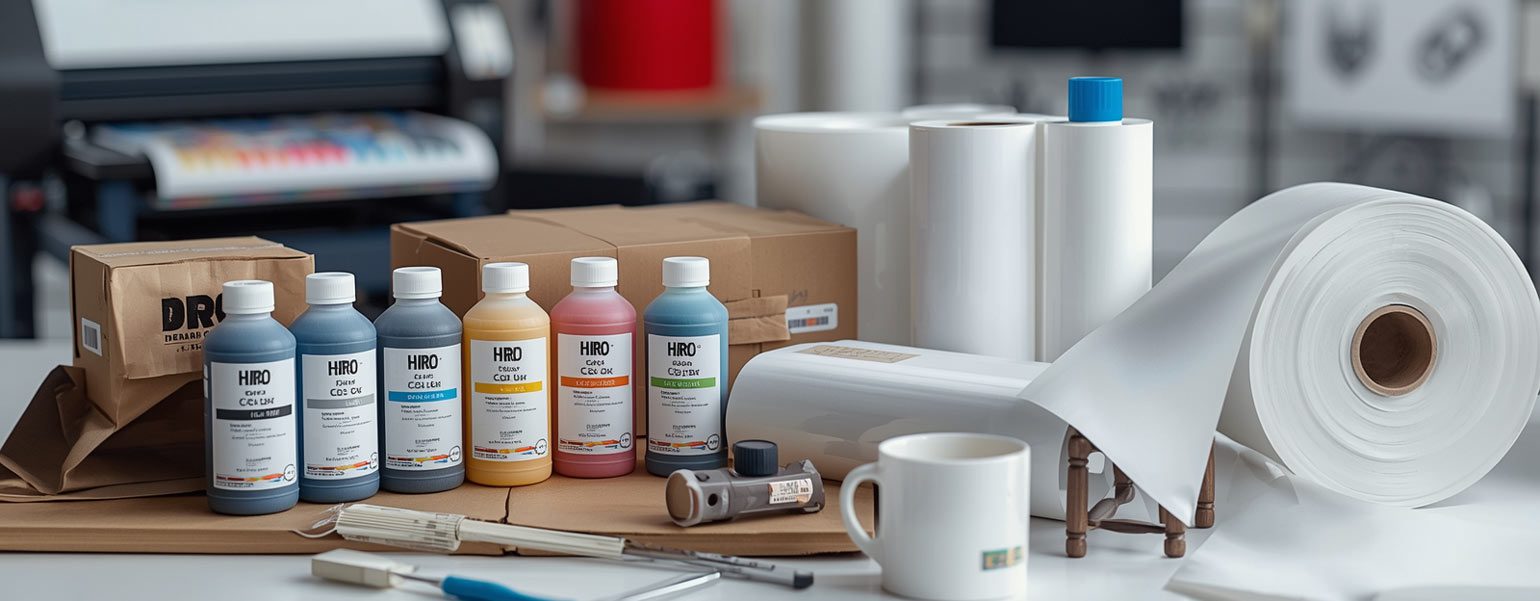
- Special ink
- Compatible blanks
Vinyl
- More steps (cut → weed → press)
- Steeper learning curve at first
- But:
- Works with standard cutters
- More forgiving across materials
Cost vs Profit
Startup Cost
- Sublimation: medium (printer + ink + blanks)
- Vinyl: lower entry (cutter + vinyl rolls)
Per Product Cost
- Sublimation: lower (especially bulk)
- Vinyl: slightly higher (material + time)
Profit Margins
- Sublimation:
- Great for volume
- Lower labor cost
- Vinyl:
- Higher perceived value for custom apparel
- Better for small batch, high-margin items
Market Share & Demand
In the UK custom printing space:
- Vinyl is widely used by:
- Small clothing brands
- Print-on-demand startups
- Sublimation is strong in:
- Personalized gift sector
- Corporate merchandise
- Promotional items
→ If you’re just starting:
- Vinyl helps you enter faster
- Sublimation helps you scale smarter
Smart Recommendations for Beginners
If you’re still unsure, here’s a practical way to start:
Start with Vinyl if:
- You want to print on any fabric
- You’re testing designs or niches
- You’re building a clothing brand
Start with Sublimation if:
- You’re focusing on personalized gifts
- You want low-maintenance production
- You prefer photo-quality output
What About Equipment?
Your results depend heavily on your tools.
A reliable heat press, consistent pressure, and quality materials make a huge difference—whether you’re using sublimation ink or vinyl.
Brands like Signzworld offer a solid range of:
- Heat press machines
- Cutter plotters
- Sublimation blanks and accessories
If you’re setting up a small business, having everything in one ecosystem can save time—and avoid compatibility headaches.
So, Which Should You Choose?
Instead of thinking “which is better,” think:
1. What am I printing on?
2. What look do I want?
3. Who am I selling to?
- Polyester + light colors + photo design → sublimation ink
- Cotton + dark fabric + bold graphics → vinyl
If you can, don’t limit yourself—many successful sellers use both, depending on the product line.
That flexibility is what really unlocks growth in this space.