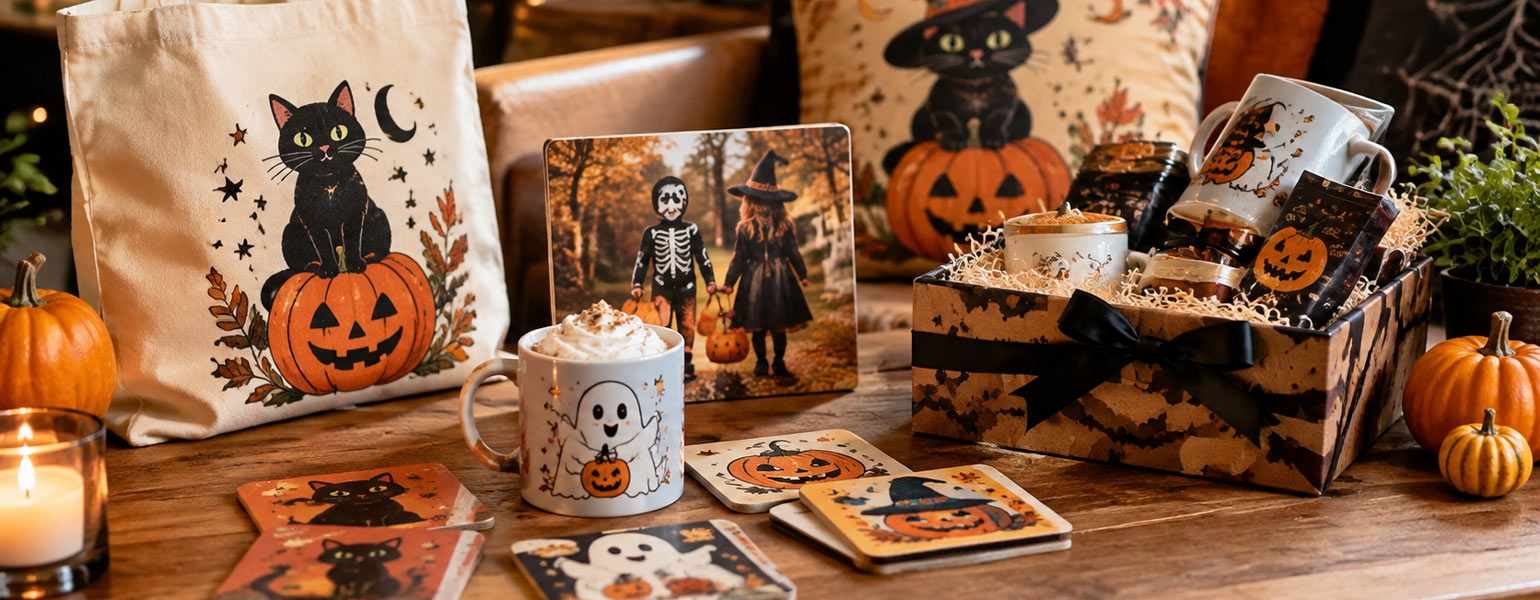
Once you’ve mastered using a beginner-friendly heat press machine and have created stunning DIY sublimation projects, it’s time to take your skills to the next level. That means exploring other types of sublimation blanks—and to do that, you’ll need to understand the different types of heat press machines available.
Flat Heat Press Machine
This is likely the first heat press you started with. It features a simple structure with two flat heating plates—one on top and one on the bottom. It’s affordable, user-friendly, and ideal for beginners.
Applications:
Perfect for T-shirts, tote bags, mouse pads, puzzles, cushions, and other flat materials.
Pros:
- Simple operation
- Easy maintenance
- Widely used in apparel and advertising industries
Cons:
- Only supports flat items
- Not suitable for curved or irregular shapes like mugs or hats
Multifunction Heat Press Machine
This versatile machine is essentially a flat heat press base with various interchangeable heating attachments, such as mug, cap, and plate presses. Its wide range of compatibility makes it a favorite among custom printing entrepreneurs.
Applications:
Great for printing on T-shirts, mugs, caps, plates, and various small custom items.
Pros:
- Space-saving and cost-effective
- Supports multiple types of products
- Ideal for small business startups
Cons:
- Module swapping can be time-consuming
- Heating may not be as even as dedicated machines
Mug Heat Press Machine
Designed with cylindrical heating elements to perfectly fit the shape of a mug, these machines come in different sizes to match various cup types—ceramic mugs, glass cups, stainless steel bottles, and sports flasks.
Pros:
- Precise heating
- Uniform image transfer
- Designs remain vivid and durable
Cons:
- Only suitable for mug-related products
- Limited to small batch production
Cap Heat Press Machine
Equipped with a curved heating plate and a cap-holding frame, this machine is built specifically for hats. It’s commonly used with baseball caps, bucket hats, and other brimmed headwear.
Pros:
- Perfectly conforms to the curve of the cap
- Produces flat, distortion-free transfers
Cons:
- Limited to cap-related applications
Plate Heat Press Machine
Uses round upper and lower heating molds tailored for ceramic plates, award plates, and decorative plates—typically with small, centered graphic areas.
Pros:
- Ensures solid and centered transfers
- Great for custom gifts and commemorative items
Cons:
- Only supports small print areas
- Niche use case
Drawer-Style / Slide-Out Heat Press Machine
With a pull-out lower platen, this type of heat press enhances user safety and workflow efficiency. It is often a flatbed press, suitable for high-volume, fast-paced environments.
Pros:
- Safer operation (reduced risk of burns)
- Higher work efficiency
- Great for continuous use
Cons:
- Higher initial investment
Pneumatic / Automatic Heat Press Machine
These machines use air compressors or electric motors to apply pressure automatically, rather than relying on manual force. They’re primarily found in apparel factories and large-scale production environments.
Pros:
- Extremely accurate pressure and timing
- Reduces manual labor
- Ideal for mass production
Cons:
- High cost
- Requires significant space
- May need air compressor or advanced electrical setup
Final Thoughts from Signzworld
At Signzworld, we’ve helped countless sublimation enthusiasts and small business owners find the right tools for their creative journey. As your experience grows, investing in specialized presses like mug or cap heat presses will allow you to offer a wider range of customized products with professional-level results.
Our team recommends choosing machines based on your long-term goals—whether it’s for DIY home crafting or launching a personalized gift business. Don’t forget to consider the available workspace, product variety, and expected production volume when making your decision.