It started as one of those jobs that should have been straightforward.
A small UK-based print studio was preparing a bulk order of custom cushion covers and ceramic coasters for a boutique homeware brand. Nothing unusual, nothing experimental. Same sublimation settings they had used hundreds of times before. Same inks, same transfer paper, same workflow.
But when the finished batch came out of the heat press, something felt off immediately.
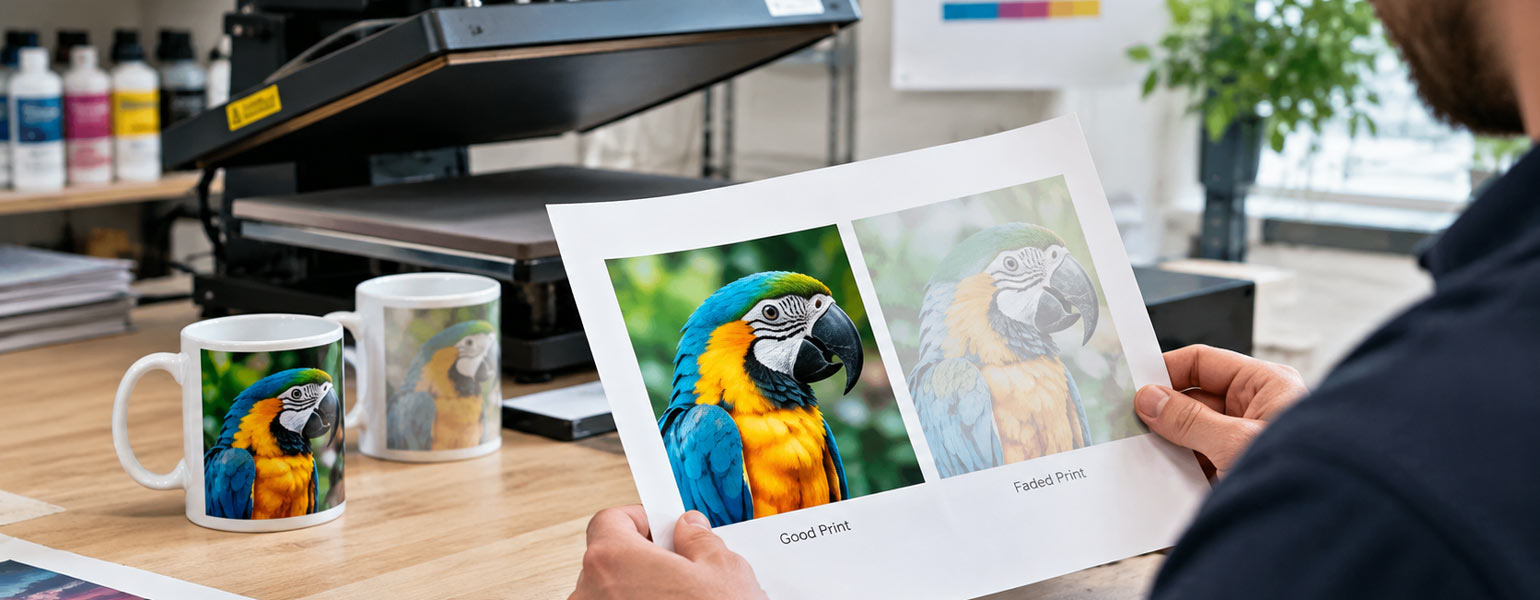
The colours on the left side of the designs were slightly faded. Not enough to be obvious at first glance, but once you compared pieces side by side, it was clear. Some coasters had crisp, vibrant transfers on one half and noticeably dull results on the other. A few T-shirts had ghosting on the chest area that the client immediately rejected.
At first, the team assumed it was a temperature issue or maybe inconsistent pressure settings. But after checking everything twice, the real problem slowly became obvious.
The large heat press itself was applying uneven pressure across the platen.
And just like that, an entire production run became a costly lesson in something many print shops underestimate until it’s too late.
What Uneven Heat Press Pressure Actually Does to Printed Materials
Uneven pressure in a heat press doesn’t always announce itself loudly. It doesn’t usually cause complete failure. Instead, it creates subtle inconsistencies that gradually turn into quality control nightmares.
Different materials react in different ways, which is why the problem often goes unnoticed until a full batch is completed.
Cushion covers: patchy colour transfer
Cushion covers are deceptively forgiving at first glance. But they are also one of the easiest ways to spot pressure imbalance.
When pressure is uneven:
- One side absorbs ink fully
- The opposite side appears faded or washed out
- Seams and edges become inconsistent in colour depth
This is especially noticeable on larger cushions where the press area extends beyond the centre sweet spot.
Coasters: uneven heat marks and dull edges
Coasters are small, but they are extremely sensitive to pressure distribution.
With uneven pressure:
- One corner may appear slightly darker
- Edges can show incomplete transfer
- Gloss finishes may look patchy under light
Because coasters are often produced in batches, inconsistencies become very visible when stacked together.
T-shirts: ghosting and partial fading
Fabric reacts quickly to pressure variation.
Common effects include:
- Faded sections across the chest or torso
- Slight “ghost lines” where pressure drops off
- Incomplete bonding of sublimation ink
On larger T-shirts, especially XL and above, uneven platen pressure becomes even more obvious because fabric tension varies across the surface.
Mugs: wrapping inconsistencies and blurred sections
Mugs rely heavily on consistent wrap pressure.
If pressure is uneven:
- One side of the print may look sharp
- The opposite side appears blurry or underdeveloped
- Seam lines become visible
- Colour intensity varies around the curve
In production environments, this is often mistaken for transfer paper movement when in reality it is mechanical pressure imbalance.
Why Uneven Pressure Happens in a Large Heat Press
Once the faulty batch was reviewed, the next step was troubleshooting the machine itself. Large heat presses are more prone to this issue than smaller units simply due to scale.
Here are the most common causes.
Uneven platen wear or alignment shift
Over time, large presses can develop slight misalignment between the upper and lower platens.
This can happen due to:
- Repeated heavy usage
- Minor frame flexing
- Manufacturing tolerances
- Uneven surface placement
Even a small deviation can create a noticeable pressure gradient across large materials.
Worn or damaged silicone pads
Silicone pads act as a buffer between heat and pressure.
If they become worn:
- Pressure distribution becomes inconsistent
- Soft spots develop in certain areas
- Heat transfer efficiency drops locally
This is one of the most common causes in busy print shops.
Incorrect substrate thickness
This is often overlooked.
Different materials behave differently under heat:
- Thick hoodies
- Multi-layer cushion covers
- Uneven ceramic blanks
If the press is not adjusted for thickness variation, pressure will naturally favour one side.
Loose or miscalibrated pressure knobs
In manual large presses, pressure calibration is critical.
Over time:
- Knobs loosen
- Springs lose tension
- Calibration drifts without obvious warning
The machine may still “feel” fine during operation, but actual pressure readings tell a different story.
Surface debris or uneven loading
Something as simple as:
- A stray fibre
- A small wrinkle
- A slightly misaligned platen cover
can create localised pressure differences, especially on large-format presses.
How to Diagnose Uneven Pressure in a Heat Press
Most experienced operators don’t rely on guesswork. There are simple diagnostic checks that can quickly confirm the issue.
The paper test
Place transfer paper across different zones of the platen and apply light pressure. Inconsistent imprint marks indicate imbalance.
The silicone pad impression test
Use a soft test material and check compression uniformity across the surface.
Real production comparison
Run identical prints in different positions:
- Left side
- Centre
- Right side
If results vary, the issue is mechanical, not procedural.
What You Can Fix Yourself vs What Needs a Technician
Not every pressure issue requires professional intervention.
DIY fixes
These are generally safe to handle in-house:
- Recalibrating pressure knobs
- Replacing worn Teflon sheets
- Cleaning platen surfaces
- Adjusting substrate positioning
- Checking for obvious loose components
Most small inconsistencies come from maintenance issues rather than structural faults.
Professional repair required
Some issues should not be handled internally:
- Frame misalignment in large presses
- Internal spring failure
- Heating platen deformation
- Electrical or sensor calibration faults
- Structural warping
Attempting to fix these without proper tools can make the problem worse.
Large Heat Press vs Small Heat Press Pressure Issues
One of the key differences in troubleshooting is scale.
Small heat presses
- More uniform pressure distribution
- Easier to calibrate manually
- Issues are usually immediately visible
- Less affected by platen flexing
Large heat presses
- More prone to edge pressure loss
- Greater sensitivity to uneven load distribution
- Harder to detect small inconsistencies
- Problems often appear only in batch production
In short, small presses fail loudly, large presses fail quietly.
That is why large-format machines often cause more expensive mistakes before operators realise something is wrong.
How to Prevent Uneven Pressure in Daily Use
Prevention is always cheaper than fixing production losses.
Regular calibration checks
Even once a week can make a big difference in consistency.
Keep platen surfaces clean
Dust, adhesive residue and fibres all affect pressure distribution.
Rotate production zones
Avoid always using the same area of the platen.
Replace silicone pads proactively
Do not wait for visible wear. Degradation often starts internally.
Train operators to recognise early warning signs
Such as:
- Slight colour inconsistency
- Uneven sheen on prints
- Minor ghosting patterns
A Small Detail That Makes a Big Difference
One thing many print shops overlook is how environmental conditions affect pressure consistency.
In colder UK workshops:
- Metal components contract slightly
- Silicone pads become less responsive
- Pressure calibration drifts subtly
This is why a machine that works perfectly in summer can behave differently in winter.
Bringing It Back to the Original Failure
In the case we started with, the issue turned out to be a combination of:
- Slight platen misalignment
- Worn silicone padding on the right-hand side
- And inconsistent pressure calibration after months of heavy production
Individually, none of these seemed critical. Together, they created just enough imbalance to ruin a full production run.
After recalibration, pad replacement, and a proper alignment check, the press returned to normal performance. But the lesson stayed with the team long after the job was reprinted.
Where Reliable Equipment Matters in Real Production
For businesses working with sublimation printing, especially on mixed materials like cushion covers, coasters, mugs, and apparel, equipment consistency is everything.
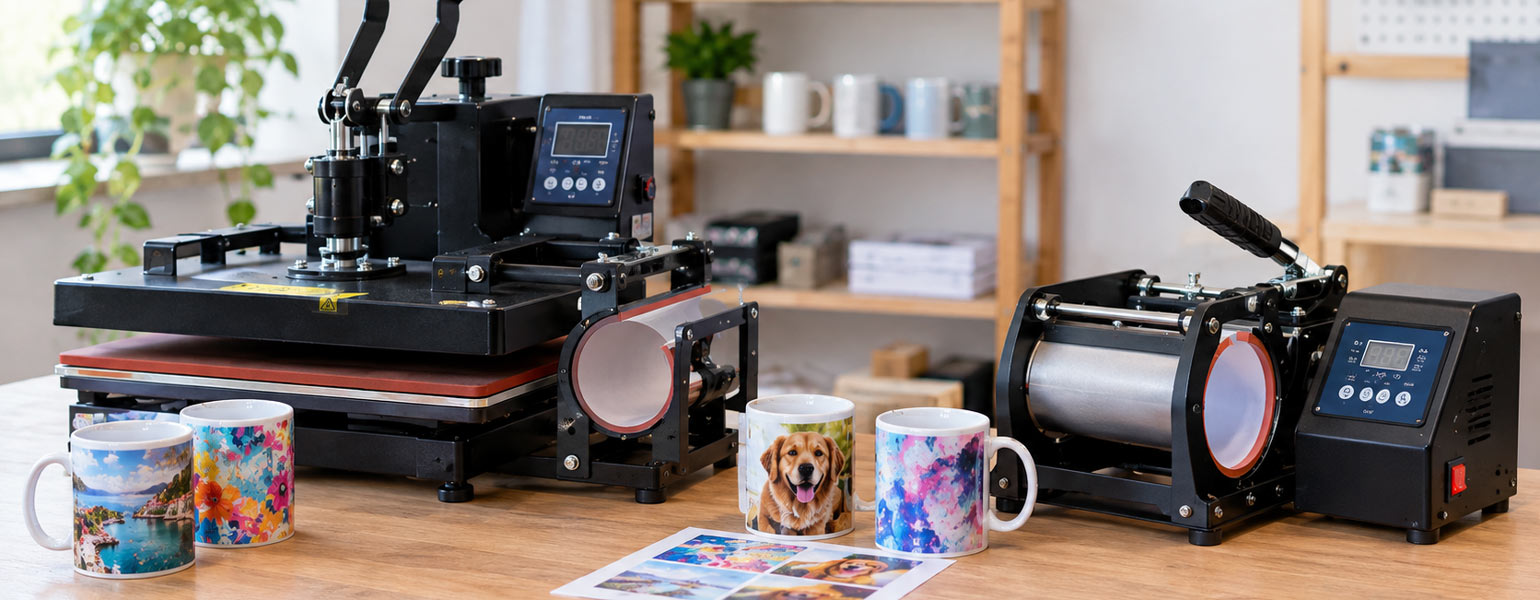
This is where professional-grade machines and properly maintained setups become essential. Brands such as Signzworld focus on providing sublimation equipment and supplies designed for stable performance across different materials and production scales, helping reduce the risk of issues like uneven pressure that can quietly damage entire batches.
Because in this industry, consistency is not a bonus. It is the difference between profit and rework.