Across the UK, side hustles have become increasingly common. Rising living costs, flexible working habits, and the growth of online marketplaces have encouraged many people to explore ways of earning extra income from home. Whether it’s selling on Etsy, running a small e-commerce shop, or creating personalised gifts for local customers, more Britons are experimenting with small creative businesses in their spare time.
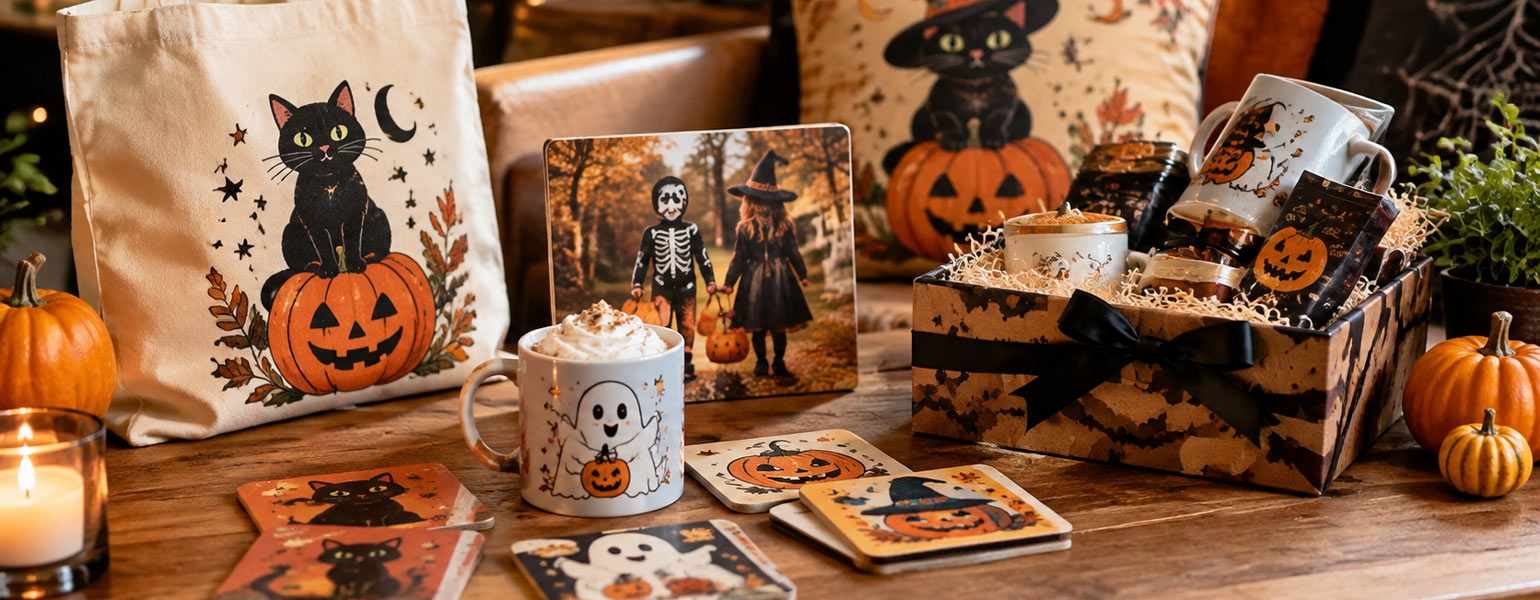
One option that continues to attract attention is sublimation printing. Compared with many other print-based businesses, sublimation offers a rare combination of low startup costs, fast production, and strong demand for personalised products. With the right equipment, someone working from a spare room or garage can produce professional-looking items such as mugs, clothing, photo panels, and home décor.
For people looking to build a practical and profitable side business in 2026, sublimation printing remains one of the easiest entry points into the personalised products market.
Is Sublimation Still Worth Starting in 2026?
Short answer: yes — but with the right strategy.
The personalisation industry in the UK continues to grow as customers increasingly expect products that feel unique. Birthdays, weddings, corporate gifts, school events, sports teams, and local businesses all need customised items.
Sublimation is particularly well suited to this demand because it produces full-colour, durable prints that don’t peel or crack. The ink becomes an integral part of the material, rather than sitting on top of it.
Another reason it remains attractive is the relatively small investment required. Many beginners can start with basic equipment for a few hundred pounds, especially if they begin with small-format printers and simple products.
In fact, a typical home-based print setup might include:
| Item | Typical Cost |
| Sublimation printer | £200 – £600 |
| Heat press | £150 – £500 |
| Ink & paper | £60 – £200 |
| Starter blanks (mugs, shirts etc.) | £100 – £300 |
Even with additional tools and supplies, many beginners launch a small setup for £500–£1500, which is far less than many other businesses.
More importantly, sublimation production is fast. Once you know the workflow, many items can be produced in just a few minutes, making it ideal for part-time businesses.
Sublimation Products That Actually Sell in the UK
One mistake beginners often make is trying to sell too many products at once. A better approach is to choose 3–5 items with proven demand and focus on those.
Here are several product ideas that work particularly well in the UK market.
1. Personalised Mugs
This is the classic sublimation product — and it’s still one of the best.
Reasons mugs work well:
- Low blank cost
- Easy to ship
- High demand for gifts
- Simple production process
Typical costs:
| Blank mug | £1.50–£3 |
| Ink & paper | ~£0.20 |
| Total production | around £2–£3 |
Many personalised mugs sell online for £9–£15, leaving healthy margins.
Popular designs include:
- Funny office mugs
- Birthday mugs
- Pet photo mugs
- Teacher appreciation gifts
2. Custom Sports or Club Apparel
The UK has a strong culture of:
- amateur sports teams
- school clubs
- local events
Polyester sports shirts and hoodies are ideal for sublimation printing.
Products you could sell include:
- custom football training shirts
- gym tops
- cycling jerseys
- club merchandise
Local teams often prefer small batch orders, which large printers may not handle efficiently. This creates an opportunity for small home businesses.
3. Personalised Tote Bags
With the rise of eco-conscious shopping, tote bags have become extremely popular.
They are ideal for sublimation if they contain polyester or a polyester coating.
Common niches:
- book lovers
- teachers
- small business branding
- wedding gifts
Production time is typically less than five minutes per bag.
4. Custom Photo Gifts
Photo products sell particularly well during holidays such as:
- Christmas
- Mother’s Day
- Father’s Day
- Valentine’s Day
Examples include:
- photo slates
- aluminium photo panels
- photo cushions
These items often command higher prices, especially when marketed as keepsakes.
5. Corporate Promotional Items
Many UK small businesses need branded products, but only in small quantities.
Examples:
- branded mugs
- promotional drink bottles
- office desk accessories
If you approach local cafés, gyms, estate agents, or salons, you may find recurring orders.
Equipment You Need to Start
One reason sublimation is popular with home businesses is that the equipment list is surprisingly short.
Here are the essentials.
Sublimation Printer
This is where the designs are printed before being transferred to products.
Popular beginner options include small-format printers capable of printing A4 or A3 transfer sheets. Entry-level printers often cost £200–£600, depending on brand and size.
For beginners, A4 printers are often enough for mugs, small apparel, and gifts.
Heat Press
A heat press transfers the printed design onto the product using heat and pressure.
Prices typically range from £150 to £500, depending on size and quality.
Most beginners start with a clamshell heat press that handles shirts, bags, and flat products.
Some businesses later add:
- mug presses
- cap presses
- tumbler presses
Sublimation Ink and Paper
You will also need:
- sublimation ink cartridges
- sublimation transfer paper
These supplies are relatively inexpensive and last for many prints.
Sublimation Blanks
Blanks are the items you print on.
Examples include:
- mugs
- polyester shirts
- phone cases
- aluminium panels
- tote bags
The key requirement is that the material must be polyester or polymer-coated for sublimation to work correctly.
Basic Sublimation Production Process
The production workflow is simple and easy to learn.
Typical steps:
- Create or import a design.
- Print the design on sublimation paper.
- Place the paper on the blank product.
- Apply heat and pressure using a heat press.
- Remove the paper and allow the item to cool.
The entire process usually takes 3–5 minutes per item, which is why sublimation works well for small custom orders.
How Much Can You Earn?
Profit depends heavily on your product selection and marketing.
Here is a simple example.
Example: personalised mugs
| Item | Cost |
| Blank mug | £2.00 |
| Ink & paper | £0.20 |
| Packaging | £0.50 |
Total cost: £2.70
Selling price:
£9–£12
Estimated profit per mug:
£6–£9
Selling only 10 mugs per week could generate £60–£90 profit.
Once your workflow improves, many small sellers produce 30–50 items per week from home.
How Long Until You Make a Profit?
Most home sublimation businesses reach break-even within 2–3 months, depending on equipment cost and sales volume.
A realistic beginner path might look like this:
1st Month
• Learn the process
• Test products
• Launch online listings
2nd Month
• First regular orders
• Build local customers
3rd Month
• Equipment paid off
• Profit begins to accumulate
Of course, success depends heavily on marketing and product selection.
Where to Sell Your Products
Some popular options for UK sellers include:
- Etsy
- eBay
- Shopify / WooCommerce store
- Facebook Marketplace
- local craft markets
- selling to local businesses
Many successful sellers combine online and local sales.
FAQ: Starting a Sublimation Business at Home
Do I need design skills?
Not necessarily.
Many beginners use:
- Canva templates
- simple text designs
- customer-supplied photos
Design skills improve over time, but they aren’t required to start.
Is sublimation printing difficult to learn?
No. Most beginners learn the basics within a few days.
The main skills involve:
- Adjusting heat press temperature and time
- positioning designs correctly
- choosing suitable materials
After a few practice runs, the process becomes very straightforward.
Do I need a large workspace?
Not at all.
Many home businesses operate with:
- One desk for the printer
- One table for the heat press
- storage shelves for blanks
A spare room or garage is usually enough.
A Final Practical Tip for Beginners
One of the biggest mistakes new sellers make is buying too many machines and products too quickly.
A smarter approach is:
- Start with a small printer and one heat press.
- Focus on 3–5 products.
- Test what sells.
- Expand slowly.
This reduces risk and helps you build a profitable workflow.
If you’re looking for reliable sublimation equipment, heat presses, and printable blanks, suppliers such as Signzworld offer a wide range of starter-friendly machines and materials suitable for home businesses. Having dependable equipment and quality blanks can make a significant difference when you’re producing items for paying customers.
With a modest investment, a bit of creativity, and consistent marketing, sublimation printing can still be one of the most accessible ways for people in the UK to start a small business from home in 2026.