If you have recently started exploring the sublimation mug business, there is a good chance you have already run into the same question that almost every beginner faces.
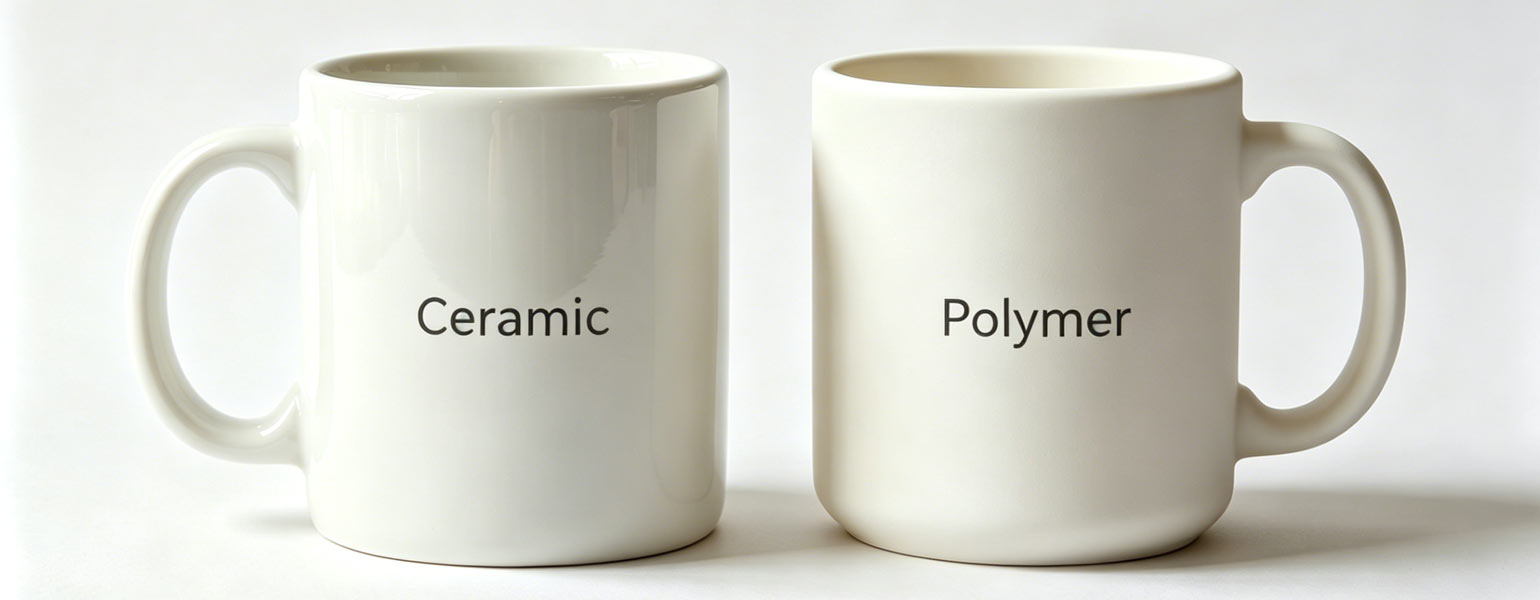
Should you focus on ceramic sublimation mugs or polymer sublimation mugs?
At first glance, the difference may seem simple. Both can be printed with vibrant designs, both are widely used for personalised gifts, and both are popular products in the UK market. However, once you consider production costs, customer expectations, printing performance, shipping risks, and long-term business goals, the choice becomes much more important.
The reality is that ceramic and polymer mugs each occupy a significant position in today’s sublimation market. Neither is objectively better than the other. The right choice depends on who your customers are, how you plan to sell, and what type of brand you want to build.
For entrepreneurs trying to decide where to invest their time and money, understanding the strengths and limitations of each option can prevent costly mistakes later.
If you are unsure which mug type best fits your business model, use this simple decision checklist:
– Are you prioritising premium print quality and a traditional mug feel? Ceramic may suit your goals.
– Is your main sales channel online with a need to keep shipping costs and breakage low? Polymer could be more practical.
– Are your customers asking for child-friendly or outdoor mugs? Polymer is likely your answer.
– Do you plan to sell mostly for occasions like corporate gifts or high-value personalised presents? Ceramic often matches these expectations.
Asking these questions can help clarify which type of mug aligns with your ideal customers and business plan.
Why These Two Mug Types Dominate the UK Sublimation Market
Over the past few years, personalised products have continued to grow in popularity across the UK.
Consumers increasingly want products that feel unique. Birthdays, Father’s Day, Mother’s Day, office gifts, pet-themed products, wedding favours, and seasonal promotions all create demand for customised mugs.
Within this market, ceramic mugs and polymer mugs have emerged as the two most widely used sublimation blanks.
Ceramic mugs remain the traditional favourite. They are familiar, affordable, and align with what most customers expect from a coffee mug.
Polymer mugs, meanwhile, have gained popularity because they solve several practical problems associated with ceramic products. They are lightweight, durable, and easier to ship, making them especially attractive for online sellers.
As e-commerce continues to expand, both materials are finding their own audiences rather than directly replacing one another.
Understanding Ceramic Sublimation Mugs
Ceramic mugs have been the backbone of the personalised mug industry for many years.
Most people already own ceramic mugs at home or in the office. Because customers are comfortable with the material, ceramic products often require less explanation during the sales process.
Why Ceramic Mugs Remain So Popular
One major reason is perceived value.
Even though ceramic mugs are often inexpensive to produce, customers typically associate them with quality. The weight, smooth surface, and solid feel create a premium impression.
Many gift buyers instinctively view ceramic mugs as the standard option.
Another advantage is heat retention.
For coffee and tea drinkers, ceramic generally keeps beverages warm longer than polymer alternatives. This makes ceramic particularly attractive in the UK, where tea culture remains deeply ingrained.
Sublimation Printing Performance on Ceramic Mugs
Ceramic mugs are exceptionally compatible with sublimation printing.
Most manufacturers apply a dedicated sublimation coating that allows inks to bond effectively during the heat transfer process.
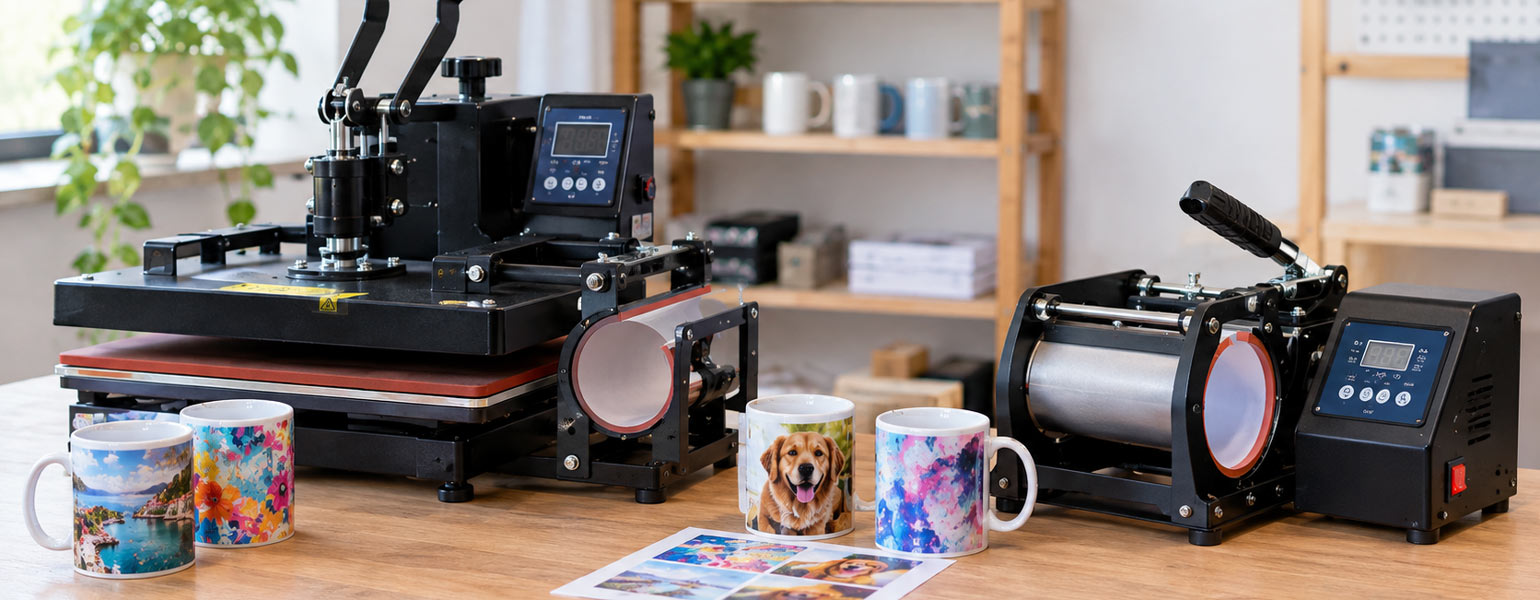
Typical sublimation settings often fall within:
Standard Mug Press Settings
- Temperature: 180°C to 200°C
- Press Time: 180 to 240 seconds
- Medium pressure
Exact settings vary depending on equipment and coating quality, but ceramic generally offers a forgiving printing process.
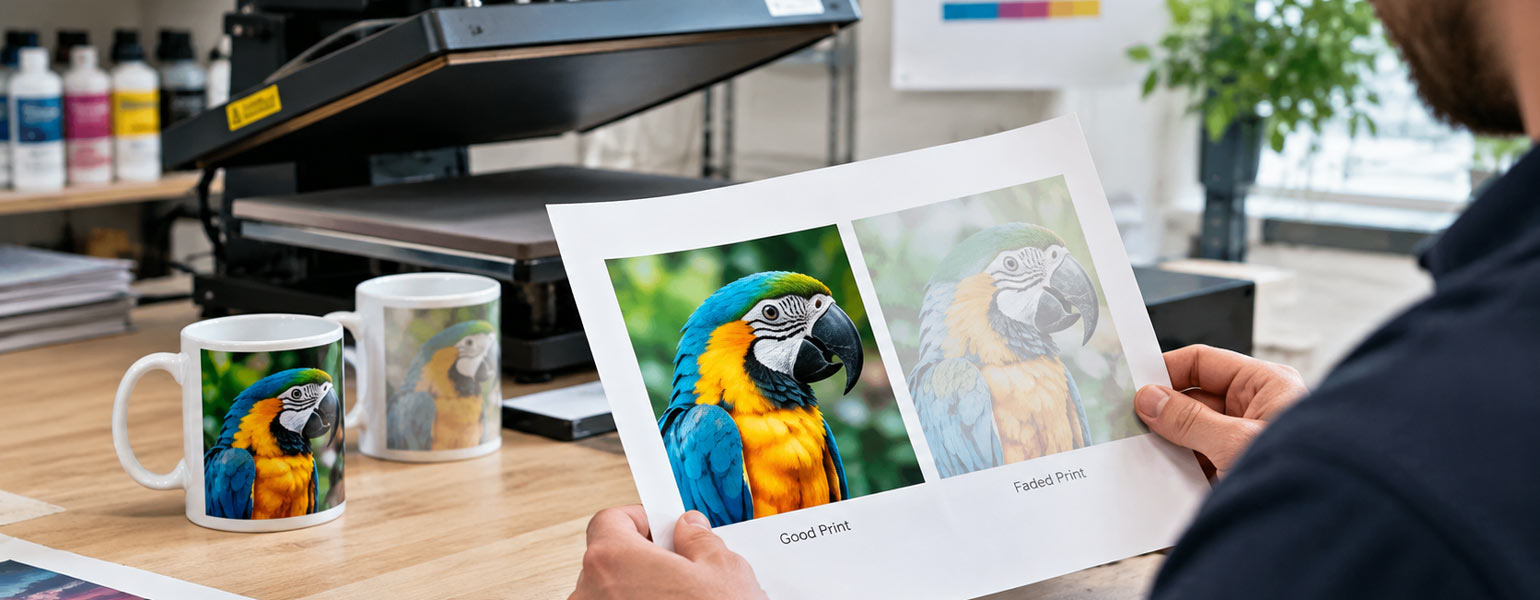
The finished prints often display:
- Strong colour saturation
- Excellent sharpness
- Deep blacks
- Smooth gradients
- Professional photographic results
For businesses selling photo mugs, memorial mugs, family gifts, or artwork reproductions, ceramic remains difficult to beat.
Challenges of Ceramic Mugs
No product is perfect.
The biggest concern with ceramic is fragility.
Even with careful packaging, breakage can occur during storage, fulfilment, and shipping.
This becomes particularly important when scaling an online business. Every broken mug means replacement costs, customer service time, and potential negative reviews.
Shipping expenses can also increase because ceramic products are relatively heavy.
For businesses targeting nationwide ecommerce sales, these costs add up quickly.
Understanding Polymer Sublimation Mugs
Polymer mugs are often described as the modern alternative to ceramic.
Made from specially engineered polymers designed for sublimation printing, these mugs offer several practical advantages that appeal to online sellers and niche markets.
Why Polymer Mugs Have Gained Momentum
The biggest selling point is durability.
Polymer mugs are highly resistant to drops and impacts.
If you have ever packed dozens of ceramic mugs for delivery and worried about courier handling, the appeal of polymer becomes obvious.
For businesses selling through Etsy, Amazon, Shopify, or independent ecommerce stores, lower breakage rates can significantly improve profitability.
Another major advantage is weight.
Polymer mugs are noticeably lighter than ceramic alternatives, helping reduce shipping costs and making international fulfilment easier.
Sublimation Printing Performance on Polymer Mugs
A common misconception is that polymer mugs produce lower-quality prints.
That was often true years ago, but modern polymer sublimation coatings have improved substantially.
Many high-quality polymer mugs now deliver vibrant and attractive results suitable for most commercial applications.
Typical sublimation settings often include:
Common Polymer Mug Settings
- Temperature: 170°C to 190°C
- Press Time: 60 to 120 seconds
- Light to medium pressure
Because polymer materials respond differently to heat, lower temperatures and shorter press times are frequently recommended.
One benefit that many beginners appreciate is faster production speed.
Shorter pressing cycles can increase daily output when handling larger order volumes.
Limitations of Polymer Mugs
Despite their advantages, polymer mugs still face certain market perceptions.
Many customers continue to associate ceramic with premium quality.
When holding both products side by side, some buyers prefer the heavier feel of ceramic.
Heat retention can also be slightly lower depending on the specific polymer formulation.
For businesses targeting luxury gift markets or premium corporate gifting, ceramic often maintains a stronger image.
Ceramic vs Polymer: Comparing the Key Business Factors
Customer Expectations
This factor is often overlooked by new entrepreneurs.
You might personally prefer one material, but customer expectations ultimately drive sales.
Ceramic generally appeals to:
- Traditional gift buyers
- Coffee enthusiasts
- Corporate gifting customers
- Premium personalised products
Polymer often appeals to:
- Families with children
- Outdoor users
- Schools and clubs
- Ecommerce-focused customers
- Travel and camping markets
Understanding your audience should always come before choosing a product line.
Shipping and Logistics
This is where polymer can create a significant advantage.
Ceramic requires:
- More protective packaging
- Higher shipping weight
- Increased risk of transit damage
Polymer offers:
- Lower shipping costs
- Reduced breakage
- Easier warehouse handling
- Simpler fulfilment processes
For online businesses shipping hundreds of orders per month, these operational benefits can become substantial.
Printing Quality
Both materials can achieve excellent sublimation results.
However, ceramic still tends to deliver the highest level of image depth and colour richness when using premium blanks.
Photographers, artists, and high-end personalised gift brands often favour ceramic for this reason.
Polymer continues to improve and can satisfy the vast majority of customers, but perfectionists may still notice subtle differences.
Production Efficiency
When fulfilment speed matters, polymer can be attractive.
Shorter press cycles mean:
- More mugs per hour
- Faster order turnaround
- Improved workflow efficiency
This advantage becomes more noticeable during peak periods such as Christmas, Mother’s Day, and Father’s Day.
Which Option Makes More Sense for Beginners?
If someone asked me today where to start with a limited budget, my answer would depend entirely on their business model.
Start with Ceramic If
You Want to Sell Premium Personalised Gifts
Ceramic remains the easiest product for customers to understand and trust.
You Focus on Local Sales
Local collection, craft fairs, and local gift shops minimise shipping concerns.
You Prioritise Print Quality
Photo mugs and artistic designs often shine on ceramic surfaces.
Start with Polymer If
You Plan to Sell Primarily Online
Lower breakage rates can protect profit margins.
Shipping Costs Are a Major Concern
Lighter products often mean lower fulfilment expenses.
You Want Operational Simplicity
Polymer can be more forgiving when handling large order volumes.
Why Many Successful Businesses Eventually Offer Both
One interesting trend in the UK sublimation market is that mature businesses rarely limit themselves to a single mug type.
Instead, they create product ranges.
A customer looking for a premium Father’s Day gift may choose a ceramic mug.
A customer buying a personalised camping mug for outdoor use may prefer polymer.
Offering both options allows businesses to capture a wider customer base while adapting to different use cases.
Many successful sellers start with one material, learn the market, then gradually introduce the second option as demand grows.
This approach reduces risk while creating expansion opportunities.
Choosing Based on Business Goals Rather Than Trends
One of the biggest mistakes new entrepreneurs make is chasing whatever product seems popular on social media.
A viral trend can generate attention, but sustainable businesses are built around customer needs and operational efficiency.
Rather than asking which mug is better, a more useful question is:
Which mug better supports the type of business I want to build?
If your goal is premium gifting and high-quality photo products, ceramic remains incredibly difficult to replace.
If your goal is scalable ecommerce with fewer shipping headaches, polymer deserves serious consideration.
The strongest businesses understand both materials and use each where it performs best.
As the personalised products industry continues to evolve, ceramic and polymer sublimation mugs are likely to remain the two dominant choices across the UK market for years to come.
For entrepreneurs entering the industry today, learning the strengths of both materials is far more valuable than choosing sides.
Reliable sublimation results begin with quality blanks, consistent coatings, and dependable equipment. Suppliers such as Signzworld offer a wide range of sublimation mugs, heat presses, sublimation papers, and related printing solutions that help businesses build a stable production workflow from the very beginning. Whether you choose ceramic, polymer, or both, starting with trusted products can make the learning curve much smoother and help create better results for your customers.