First of all, congratulations, because you’ve made a great decision! Welcome to the world of sublimation DIY! Although you’re a beginner, getting started with sublimation DIY isn’t difficult. To help you avoid some common mistakes, Signzworld has prepared a detailed beginner’s guide just for you — please keep it safe.
Tools and Materials You Need to Prepare
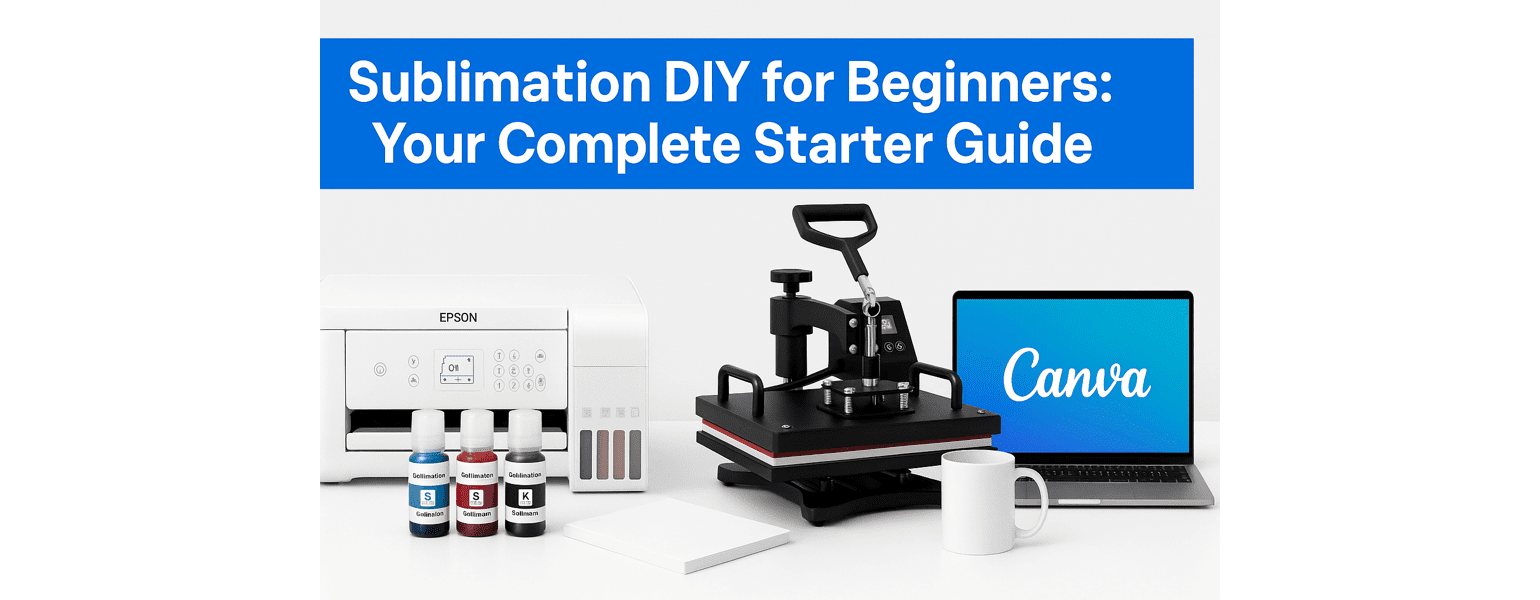
Sublimation Printer: This is one of the core tools for sublimation DIY. We recommend using a sublimation printer that is easy to operate and has reliable quality.
Sublimation Ink: This is an essential material. You must use dedicated sublimation ink — never use regular ink. Also, make sure to choose ink that matches your printer model.
Sublimation Transfer Paper: This is the special paper used for heat transfer. After printing your desired design, stick it onto the item to be transferred.
Heat Press Machine: This is also one of the core tools in sublimation DIY. It transfers the design onto the item using heat. There are various types to choose from — T-shirt press, mug press, multifunction press, etc.
Signzworld offers many beginner-friendly heat press machines on its website, including well-known brands like UKPRESS and FREESUB.
Sublimation Blanks: These are the items that receive the transferred design. They should have a coating or be suitable for sublimation, such as T-shirts, mugs, mouse pads, etc.
Design Software: Software like Canva, Photoshop, or CorelDRAW is used to create the design you want to transfer.
If you’re on a limited budget, you can start with a starter kit of mug + printer + mug press + ink + transfer paper.
Basic Knowledge You Must Understand
What is Sublimation: In simple terms, sublimation is a process where solid dye is turned into gas through high heat and then infused into the target material.
Materials Suitable for Sublimation: Polyester fabrics with ≥ 60% polyester content, such as T-shirts and tote bags. Items coated for sublimation like mugs, aluminum sheets, wooden boards, etc.
You cannot directly print on cotton, glass, or metal unless they have a coating or are specially treated.
Basic Heat Transfer Process: Design the artwork → Print it on sublimation paper → Stick it onto the blank → Use heat press to transfer → Peel off the paper → Done!
Common Problems
Colors not accurate after printing: You may need to use an ICC color profile, and check compatibility between ink and paper.
Blurry image after transfer: It could be due to incorrect time or temperature settings, or the paper moved. Use heat-resistant tape to secure the paper.
Design fades easily: Make sure you’re using genuine sublimation blanks. It may also be caused by poor-quality coating.
Image is mirrored: Make sure to turn on “Mirror Printing” or “Flip Horizontally” during the printing process.
Practical Suggestions
- Start by practicing with mugs, mouse pads, and T-shirts — low cost, great results.
- Join Facebook or YouTube groups related to sublimation DIY to watch tutorials.
- Try to choose suppliers that provide certified coated sublimation blanks for better and more stable quality.
- Experiment with different pressure, time, and temperature settings to find the best combination for your tools and materials.