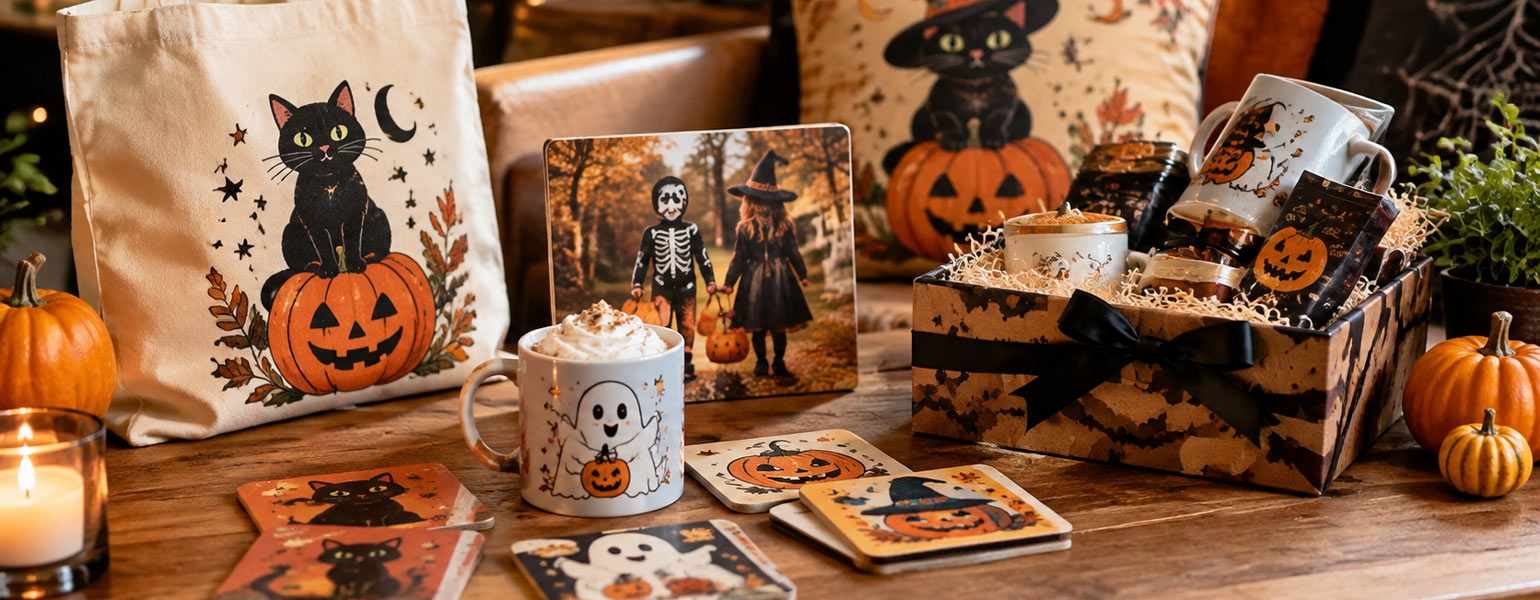
In the UK personalised gift market, mugs may still take the top spot — but cushion covers are not far behind. From Etsy sellers and small home décor brands to print-on-demand start-ups working from a spare room in Manchester or Milton Keynes, sublimation cushion covers have quietly become one of the most reliable, repeat-selling blanks in the industry.
They’re practical, lightweight to post, relatively low-cost to produce, and — most importantly — they look genuinely premium when printed well. A vivid, edge-to-edge design on a soft-touch cushion cover instantly feels more “homeware boutique” than “novelty gift”.
But one question keeps coming up, especially among newcomers to sublimation printing:
If all sublimation blanks have a coating, do cushion covers also have one?
Let’s unpack that properly — along with materials, printing tips, washing durability, and what really works in the UK market.
Why Cushion Covers Are So Popular in Sublimation Printing
After sublimation mugs, cushion covers are arguably one of the most commercially successful blanks in the UK.
Here’s why:
- They fit the home décor trend
- They’re ideal for personalised gifts
- They’re easy to store and ship
- They allow full-bleed designs
- They photograph beautifully for Etsy and Shopify
Unlike rigid blanks like mugs or metal panels, cushion covers feel soft, tactile and lifestyle-driven — which aligns perfectly with the British home aesthetic: cosy, layered, relaxed.
And in a market where customers are increasingly drawn to personalised interiors, sublimation cushion covers tick every box.
Do Sublimation Cushion Covers Have a Coating?
This is where confusion often starts.
We all know that sublimation mugs, phone cases, metal sheets and MDF panels have a polymer coating that allows sublimation ink to bond permanently during the heat press process.
But what about cushion covers?
The short answer:
Yes — in one way or another, they must contain polyester.
However, the “coating” situation is slightly different from rigid blanks.
There are two main scenarios:
100% Polyester Fabric
This is by far the most popular type of sublimation cushion cover.
In this case:
- There is no visible sprayed coating.
- The polyester fibres themselves allow sublimation ink to bond.
- The entire fabric acts as the printable surface.
This is why labels typically say:
100% Polyester
Common examples include:
- Peach skin polyester
- Microfibre
- Polyester canvas
- Short plush
These materials do not need an additional coating — the fibre structure itself makes sublimation possible.
Cotton-Look Fabric with Polyester Surface Layer
Some cushion covers are designed to look like cotton or linen but are engineered for sublimation.
These usually:
- Contains a high polyester percentage
- Or feature a thin polyester surface layer
- Or are they polyester blended with cotton
In these cases, you could say there is a “functional surface” that behaves like a coating — but it is integrated into the fabric rather than sprayed like a mug coating.
Pure cotton cushion covers cannot be sublimated directly.
Common Cushion Cover Materials for Sublimation
Choosing the right material affects colour vibrancy, hand feel, durability and perceived value.
Here are the most common options in the UK market.
Peach Skin Polyester
One of the most popular materials.
Pros:
- Smooth surface
- Excellent colour vibrancy
- Affordable
- Easy to press
- Ideal for detailed graphics
Cons:
- Slightly synthetic feel
- Not as textured as linen-style fabrics
This is widely used by UK Etsy sellers because it balances price and performance.
Polyester Canvas
Thicker and more structured.
Pros:
- Premium look
- Stronger structure
- Holds shape well
Cons:
- Slightly less vibrant than smooth polyester
- Heavier to post
Great for higher-end home décor collections.
Short Plush (Velvet-Style Polyester)
Soft and luxurious.
Pros:
- Feels premium
- Strong visual appeal
- Popular for winter/Christmas designs
Cons:
- Requires careful pressing to avoid crushing fibres
- Texture may soften very fine detail
Linen-Style Polyester
Textured to mimic natural linen.
Pros:
- Rustic aesthetic
- On-trend for farmhouse interiors
Cons:
- Slightly muted print appearance
- Texture can interfere with small text clarity
Heat Press Tips for Sublimation Cushion Covers
Printing fabric is different from pressing mugs or metal.
Here are key points that make a real difference:
Pre-Press Is Essential
Always pre-press for 5–10 seconds to:
- Remove moisture
- Flatten fibres
- Prevent ghosting
UK humidity can vary significantly — especially in winter.
Use Protective Paper Inside the Cover
Insert a sheet of plain paper or baking parchment inside the cushion cover before pressing.
This prevents:
- Ink bleed-through
- Transfer onto the back panel
Temperature & Time Guide (General Starting Point)
- 180–190°C
- 45–60 seconds
- Medium pressure
Adjust depending on fabric thickness.
Lint Roll Before Pressing
Polyester attracts lint. Even tiny fibres can show as blue specks after pressing.
Watch Seams and Zips
Avoid pressing directly over zips or thick seams — uneven pressure can cause faded edges.
Will Washing Cause Fading or Cracking?
This is another common concern.
Properly sublimated polyester does not crack because the ink becomes part of the fabric at a molecular level.
However, fading can happen under certain conditions:
Reasons for Fading:
- Low polyester content (blends under 80%)
- Low pressing temperature
- Poor-quality blanks
- Harsh washing conditions
Best Washing Advice for Customers:
- Wash at 30–40°C
- Turn inside out
- Avoid bleach
- Avoid high-heat tumble drying
In normal UK household washing conditions, a good quality 100% polyester sublimation cushion cover should remain vibrant for years.
There should be no peeling or cracking — unlike vinyl or screen printing.
FAQ: Sublimation Cushion Covers
Q1: Can I sublimate on 100% cotton cushion covers?
No. Sublimation ink only bonds with polyester fibres. Cotton will produce very faint, washed-out results.
Q2: Why does my cushion print look dull?
Most likely causes:
- Low polyester percentage
- Incorrect temperature
- Insufficient pressure
- Fabric texture diffusing colour
Q3: Do cushion covers shrink after pressing?
High-quality polyester cushion covers should not shrink significantly under correct pressing temperatures (under 200°C). Always test before bulk production.
What Works Best in the UK Market?
Based on current UK trends:
- Neutral tones sell better than bold neon.
- Linen-look textures are strong for farmhouse interiors.
- Seasonal collections perform consistently.
- Personalised name designs remain top sellers.
From a supplier perspective, consistent polyester quality is critical. Cheap blanks with inconsistent weave density often cause uneven colour results, which harms your brand reputation.
Practical Advice for Print Businesses
If you’re selling personalised cushion covers:
- Always list fabric composition clearly.
- Photograph texture close-up.
- Offer washing guidance in the product description.
- Test each new batch before scaling.
Reliable blanks matter. Working with a specialist supplier such as Signzworld ensures consistency in polyester content, stitching quality and zip durability — which directly affects print outcome and customer satisfaction.
Signzworld’s sublimation cushion cover blanks are designed specifically for vibrant colour transfer and long-term wash resistance, making them suitable for both beginners and established print shops.
Cushion covers are not just “another blank”. In many UK businesses, they are a repeat-purchase product with strong margins and broad appeal.
When you understand how polyester content, material type and pressing technique work together, sublimation cushion covers become one of the most dependable and profitable products in your range.
And unlike mugs, they don’t smash in transit — which is always a bonus.