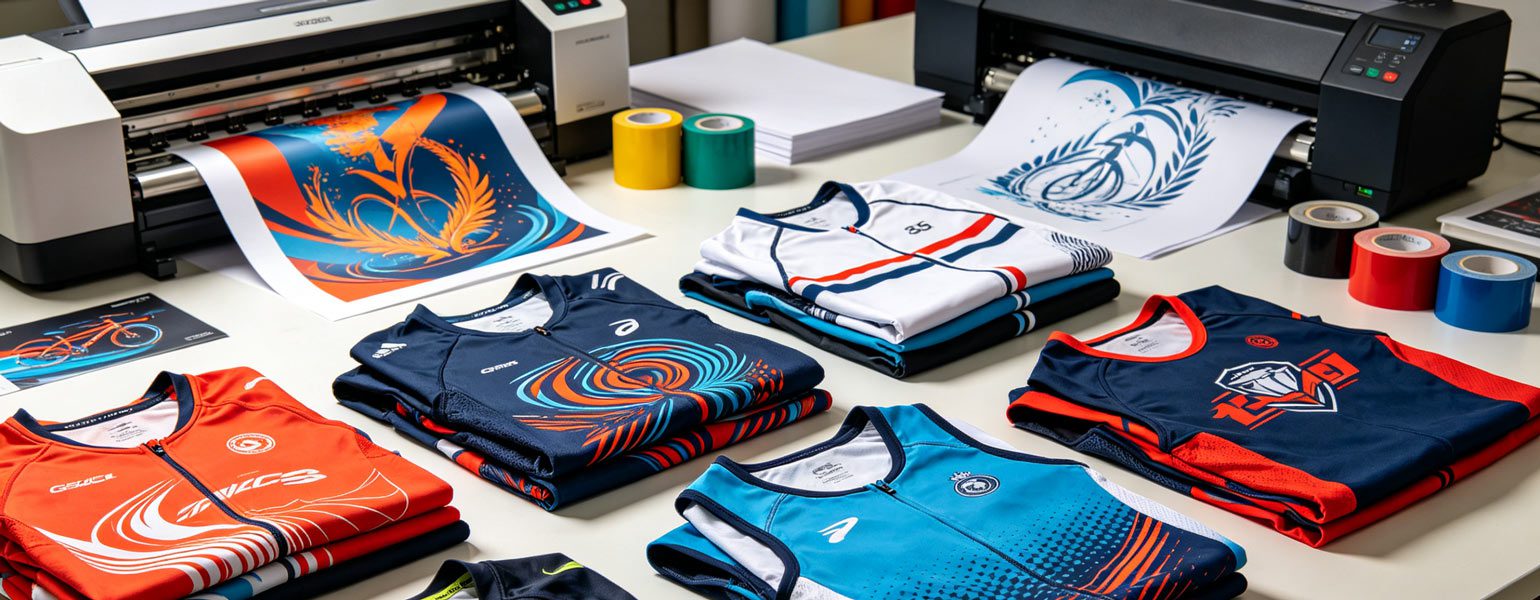
The printing industry has undergone rapid evolution over recent decades. While numerous innovations have influenced design and production, sublimation printing has recently become a leading, fast-growing method—especially in custom product creation.
In the UK and worldwide, sublimation’s popularity has soared among small businesses, crafters, and printers. But what makes it unique, and why is it gaining such attention? Let’s find out.
What Is Sublimation Printing?
At its core, sublimation printing is a process that uses heat to transfer dye directly into a material—typically polyester fabrics or polymer-coated surfaces. Unlike traditional printing, which places ink on top of the surface, sublimation infuses the colour into the material itself. The result? A smooth, durable, and vibrant finish that doesn’t crack, peel, or fade easily.
This unique process is made possible through sublimation inks, which turn from solid to gas under high heat (usually around 180–200°C), bonding permanently with the fibres of the substrate (the material being printed on, such as fabric or coated items). Whether you’re printing a photo on a mug, a pattern on a t-shirt, or a logo on signage, sublimation delivers professional-grade results with long-lasting colour accuracy.
The Growth of Sublimation in the Printing Industry
The past few years have seen an explosive rise in demand for personalised and on-demand products, a trend that perfectly aligns with the strengths of sublimation printing. Consumers now expect unique, customised designs on everything from clothing and home décor to promotional gifts.
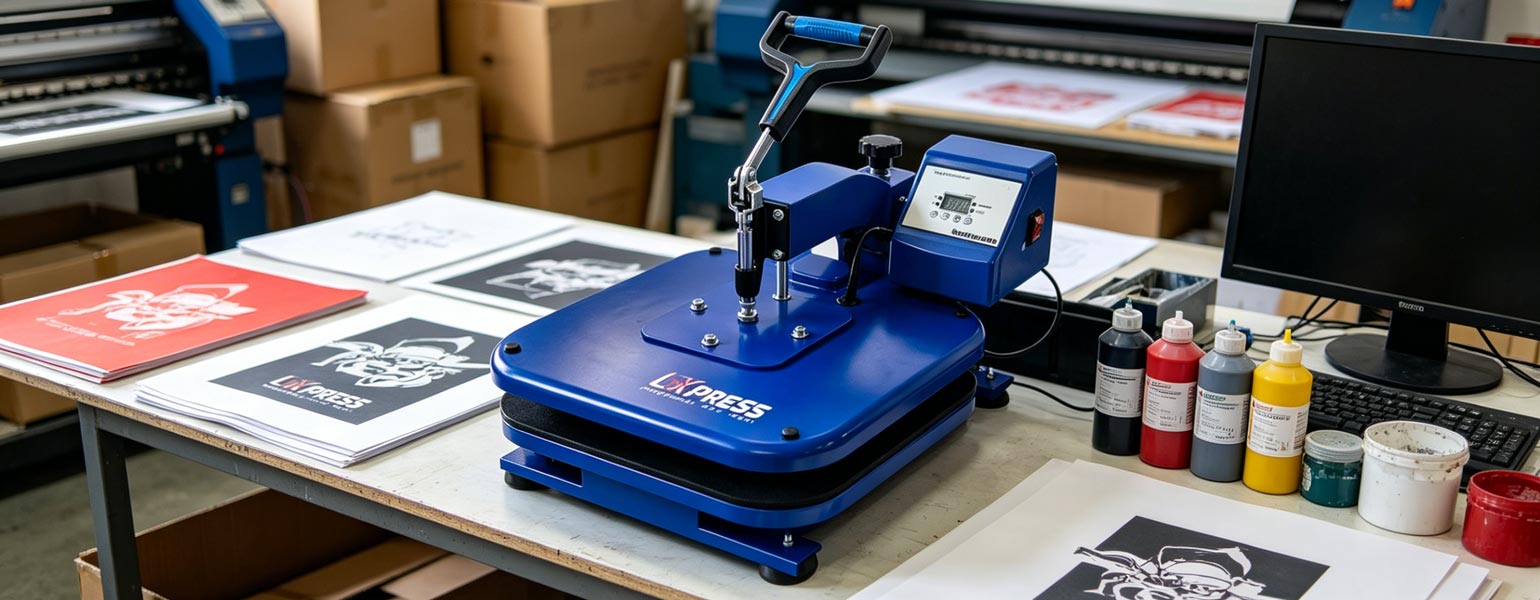
In the UK, this demand has been further driven by the growth of small online businesses and creative entrepreneurs. Many start-ups have turned to sublimation as their go-to printing method because it’s affordable, compact, and easy to learn. With a simple setup—printer, heat press, and blanks—anyone can start producing professional-quality products from their home or workshop.
Brands like Signzworld, one of the UK’s trusted suppliers of sublimation equipment and blanks, have made the process even more accessible. Their range of sublimation printers, heat presses, and printable products allows both beginners and experienced professionals to explore creative possibilities without compromising on quality.
How Sublimation Differs from Other Printing Methods
To truly appreciate sublimation’s rise, it helps to compare it with other major printing techniques commonly used across the industry.
1. Screen Printing
Screen printing is one of the oldest and most widely recognised printing techniques. It involves pushing ink through a stencil or mesh screen onto a surface. While it’s ideal for high-volume production, screen printing requires more setup time, multiple layers for complex designs, and can be less economical for small batches.
By contrast, sublimation printing doesn’t rely on screens or stencils—it’s digital, flexible, and cost-efficient, even for one-off items. This makes it perfect for short-run custom orders or businesses offering personalised products.
2. Heat Transfer Vinyl (HTV)
Heat transfer vinyl is another popular method, especially in the garment industry. Designs are cut from coloured vinyl sheets and then heat-pressed onto fabric. The results are bold and tactile, but over time, vinyl prints can crack or peel, particularly after repeated washing.
Sublimation, however, bonds chemically with the fibres of the fabric, meaning the print remains part of the material. It’s lighter, smoother to the touch, and much more resistant to wear.
3. Direct-to-Garment (DTG) Printing
DTG printing also uses digital technology, applying ink directly onto the surface of garments. While DTG can print onto cotton fabrics and achieve high detail, it often requires pretreatment, takes longer per print, and may not be as colourfast as sublimation on synthetics.
Sublimation, on the other hand, excels in speed, durability, and colour vibrancy, making it the go-to choice for polyester apparel, sportswear, and promotional merchandise.
4. UV Printing
UV printing has gained traction for its ability to print on almost any surface—wood, glass, plastic, or metal—using UV-curable inks. It produces stunning visuals, but the equipment can be costly, and the ink layer often sits on top of the surface, which can be felt by touch.
Sublimation, though limited to coated or polyester materials, produces a seamless and embedded finish, giving prints a premium, professional look and feel.
Why Businesses Are Choosing Sublimation
For small and medium-sized enterprises, sublimation offers a perfect balance between affordability, efficiency, and creative control. There’s minimal waste, no need for large production runs, and endless design flexibility.
A few key reasons businesses are turning to sublimation include:
- Low entry cost – The setup is relatively inexpensive compared to other printing technologies.
- Eco-friendly process – Sublimation uses less water and energy, with no harsh chemicals or solvents.
- Exceptional durability – Prints don’t crack, fade, or peel, even with regular use or washing.
- Versatility – You can print on a vast range of products: mugs, phone cases, mouse mats, keyrings, cushions, T-shirts, and more.
Suppliers like Signzworld have played a major role in supporting this movement, offering reliable equipment and high-quality blanks for every level of user. Their commitment to innovation and service has helped countless UK businesses thrive in the competitive custom printing market.
The Future of Sublimation Printing
Looking ahead, the future of sublimation printing is bright. As new materials and coating technologies develop, the range of printable surfaces continues to expand. At the same time, advances in printer design and ink chemistry are improving efficiency and reducing costs.
We’re also seeing increased interest from corporate branding, interior design, and e-commerce sectors, where personalisation and visual appeal are becoming key differentiators. In other words, sublimation isn’t just a niche technique anymore—it’s becoming a cornerstone of modern printing.
For entrepreneurs, hobbyists, and professionals alike, now is the perfect time to explore what sublimation can do. Whether you’re creating custom gifts or building a brand, investing in quality tools from trusted providers like Signzworld can make all the difference in achieving consistent, high-quality results.
To Sum Up
In a world where personalisation is king, sublimation printing stands out as a technology that blends creativity, practicality, and quality. Its ability to produce vibrant, long-lasting designs with minimal fuss has redefined what’s possible in the printing industry.
While traditional methods like screen or UV printing still have their place, sublimation continues to grow as the preferred option for modern creators—fuelled by innovation, accessibility, and the growing demand for bespoke products.
For those ready to step into this colourful world, the journey begins with the right equipment, the right blanks, and the right partner—Signzworld.