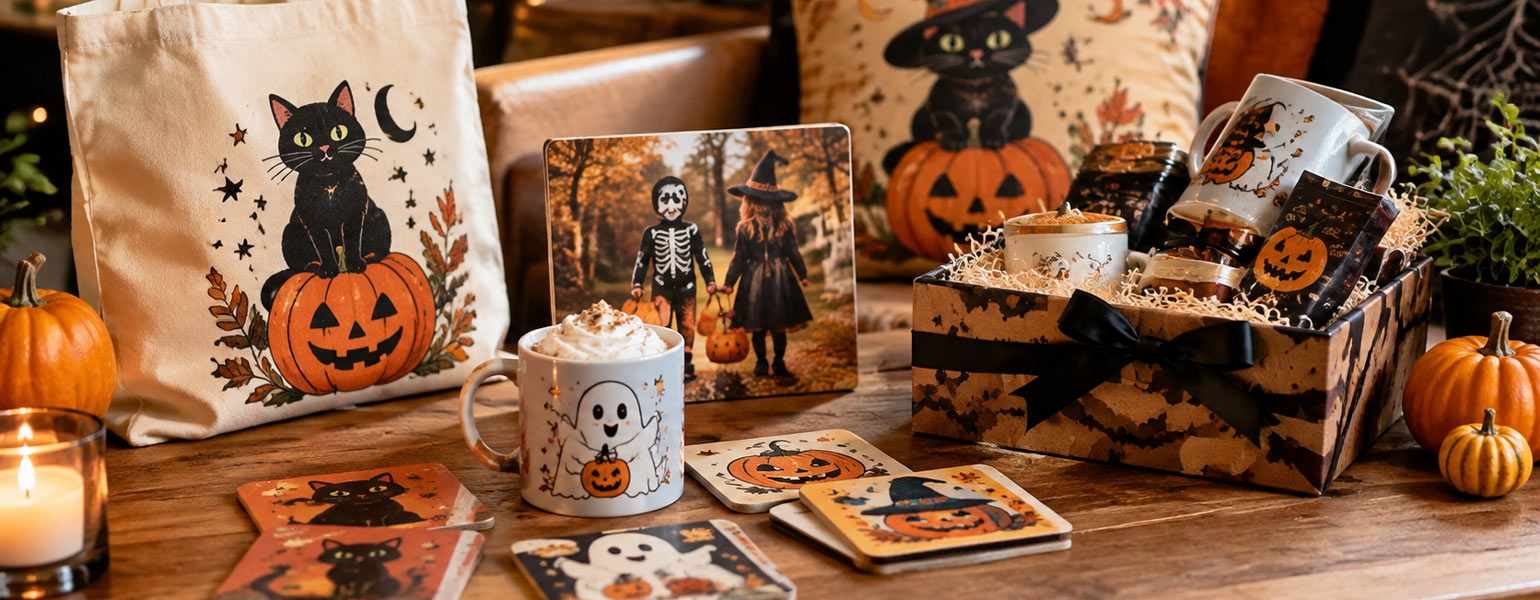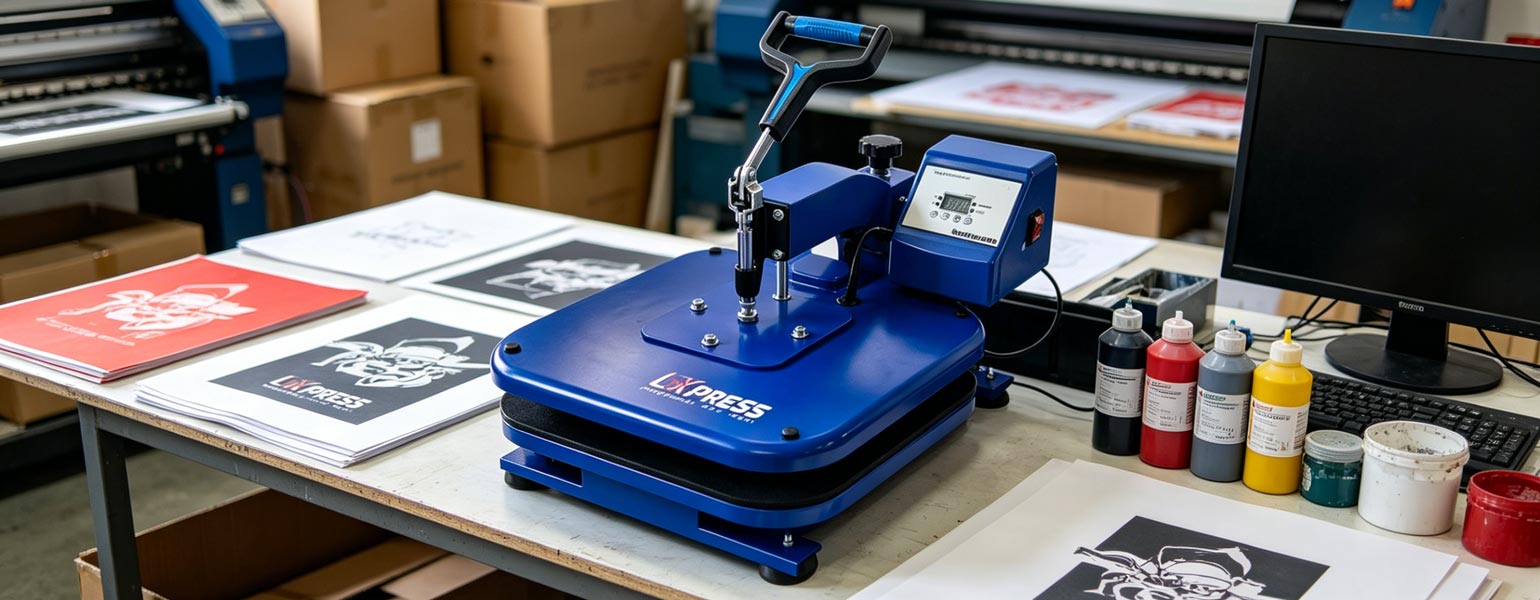
When you first start a small printing business, life feels relatively simple. You pick one method, get comfortable with it, and build your first batch of products around that workflow. Maybe it’s heat transfer vinyl for custom T-shirts, or sublimation printing for mugs and coated blanks. It works—until it doesn’t.
As your product range grows, so do customer expectations. One day it’s a simple logo on cotton tees, the next it’s full-colour photo prints on polyester cushions, and then someone asks for a mixed-material product that doesn’t quite fit into any single process. This is the point where many small business owners realise that relying on just one printing method starts to limit growth.
That’s where hybrid printing methods come in. Not as a complicated, high-end solution reserved for large factories, but as a practical, flexible approach that helps small businesses take on more jobs, improve product quality, and stay competitive. For example, take a small independent print shop that primarily makes T-shirts using heat transfer vinyl. When a corporate client approached them for a bundle of branded gift packs containing both personalised mugs and apparel, the shop used sublimation for the mugs and full-colour backgrounds on polyester shirts, then layered HTV names on top. By combining these methods, they delivered a consistent branded look across products and secured the client’s long-term business. This kind of flexibility opens new doors and drives growth.
Why hybrid printing makes sense for small businesses
In the UK printing market, especially among Etsy sellers, independent brands, and local custom shops, versatility is everything. Customers want variety, fast turnaround, and consistent quality. A single method rarely ticks all those boxes.
Hybrid printing simply means combining two or more techniques to achieve a better result. This could be for visual impact, material compatibility, durability, or efficiency. It allows you to:
- Expand your product range without completely changing your setup.
- Handle different materials like cotton, polyester, ceramics, and coated surfaces.
- Offer both simple and high-end designs.
- Improve margins by choosing the most cost-effective method for each order.
The key is not to overcomplicate things. The goal is to build a workflow that works for you, not one that slows you down.
Common hybrid printing combinations that actually work
Let’s look at some of the most practical and proven combinations used by small businesses.
Sublimation printing + heat transfer vinyl
This is one of the most popular hybrid methods, and for good reason.
Sublimation printing is ideal for full-colour, high-detail designs. It works best on polyester fabrics or specially coated blanks. The ink becomes part of the material, which means no texture and excellent durability.
Heat transfer vinyl, on the other hand, is perfect for bold, simple elements like names, numbers, and logos. It works well on cotton and blends.
How they work together
You can use sublimation for the main design and then add HTV on top for customisation. For example:
- A full-colour sublimated background on a polyester T-shirt.
- Add a name or number in HTV for personalisation.
Basic workflow
- Print and press the sublimation design first.
- Let the material cool completely.
- Cut and weed the HTV design.
- Heat press the vinyl on top with the correct temperature and pressure.
Tips and precautions
- Always apply sublimation first. HTV cannot withstand sublimation temperatures.
- Use lower heat settings when pressing HTV on top to avoid damaging the base print.
- Test layering compatibility, especially with different vinyl types.
Cost and difficulty
- Moderate startup cost if you already have a heat press.
- Easy to learn, especially for those familiar with either method.
- Minimal additional labour once the workflow is set.
This combination is ideal for small businesses offering personalised apparel.
Sublimation printing + printable heat transfer paper
Sometimes you need the look of sublimation, but the material just doesn’t allow it. This is where printable heat transfer paper comes in.
Why combine them
Sublimation only works on light-coloured polyester or coated surfaces. Printable heat transfer paper allows you to apply full-colour designs to cotton and darker fabrics.
How to use both
- Use sublimation for polyester items like sportswear, tote bags, and mugs.
- Use transfer paper for cotton garments with similar design styles.
This isn’t a layered hybrid on the same product, but a hybrid workflow across your product line.
Tips
- Keep colour profiles consistent between methods to maintain brand identity.
- Be aware that transfer paper has a different finish and feel compared to sublimation.
- Choose high-quality transfer paper to avoid cracking or fading.
Cost and difficulty
- Low additional investment.
- Slightly higher material cost per print compared to sublimation.
- Easy to integrate into existing workflows.
This approach is great for expanding your product range without turning away orders.
Direct-to-film printing + heat press finishing
Direct-to-film printing has become increasingly popular in the UK due to its versatility.
It allows you to print designs onto a film and then transfer them onto various fabrics, including cotton, polyester, and blends.
Why combine it
DTF offers the flexibility of printing on almost any fabric, while the heat press ensures strong adhesion and durability.
Workflow
- Print the design onto film.
- Apply adhesive powder.
- Cure the film.
- Heat the press onto the garment.
Tips
- Maintain consistent curing temperatures to avoid poor adhesion.
- Store films properly to prevent moisture issues.
- Use a reliable heat press for even pressure.
Cost and difficulty
- Higher initial investment compared to HTV or sublimation.
- Moderate learning curve.
- Scales well as your business grows.
This method is ideal for businesses handling varied orders and materials.
Vinyl cutting + screen print style layering
For small batch runs, combining vinyl cutting with layered designs can mimic the look of screen printing without the setup cost.
How it works
- Cut multiple layers of vinyl in different colours.
- Apply them sequentially to build a multi-colour design.
Tips
- Use thin, high-quality vinyl to avoid a heavy feel.
- Align layers carefully using registration marks.
- Avoid overly complex designs to keep production efficient.
Cost and difficulty
- Low equipment cost.
- Labour-intensive for complex designs.
- Best suited for small quantities.
This is a practical option for startups not ready to invest in screen printing equipment.
UV printing + sublimation blanks
For hard goods, combining UV printing with sublimation products opens up more possibilities.
Why it works
Sublimation is excellent for coated items like mugs and metal panels. UV printing allows direct printing on a wider range of surfaces, including wood, acrylic, and glass.
Tips
- Use sublimation for high-volume, repeat designs.
- Use UV printing for premium or custom one-off items.
- Keep surface preparation consistent.
Cost and difficulty
- UV printers require a higher investment.
- Low labour once set up.
- High perceived product value.
Choosing the right hybrid setup
Not every business needs every method. The best approach is to build your setup gradually based on demand.
Ask yourself:
- What products do my customers ask for most often?
- Which materials do I work with regularly?
- Where am I currently losing orders?
Start with one additional method that complements your existing setup. For example, if you already use sublimation printing, adding HTV is a natural next step.
Managing costs and workflow
Hybrid printing can improve profitability, but only if managed properly.
- Standardise your processes to reduce errors.
- Train staff on each method to avoid bottlenecks.
- Keep inventory organised by material type.
- Test new combinations before offering them to customers.
Efficiency matters just as much as creativity.
Small details that make a big difference
- Always test heat settings when combining methods.
- Keep a record of successful combinations for future use.
- Use quality blanks and materials to ensure consistent results.
- Don’t overcomplicate designs unless the customer is paying for it.
Hybrid printing is about working smarter, not harder.
Building a more flexible printing business
As your product range expands, your ability to adapt becomes your biggest advantage. Hybrid printing methods give you that flexibility without forcing you into large-scale industrial setups.
You can start small, experiment, and refine your workflow over time. Many successful small businesses in the UK printing space have built their growth on exactly this approach.
If you are looking to expand your capabilities, having the right equipment and guidance makes a significant difference. Signzworld offers a wide range of solutions, from heat press machines and cutter plotters to sublimation blanks and printing accessories. More importantly, they can provide practical advice to help you choose the right combination for your business and avoid costly mistakes.
With the right setup and a clear strategy, hybrid printing can take your small business from limited options to a much more versatile and competitive position in the market.