Spend a little time in the UK print industry right now, and you’ll hear a familiar story.
DTF is booming.
Small custom print shops are moving into DTF. Startups love it because the barrier to entry feels lower. Garment decorators like the flexibility. Even businesses that once focused heavily on sublimation have added DTF into the mix.
So naturally, a lot of people asking about investing in sublimation printing in 2026 have the same concern:
Has sublimation peaked?
Short answer: not even close. In fact, recent UK market reports show that demand for sublimation printing equipment grew by 8% over the past year, with the sector expected to remain strong into 2026.
Yes, DTF has changed parts of the market, especially in lower-cost, fast-turnaround personalised products. But that doesn’t mean sublimation is fading away. It means the market is segmenting.
And in several profitable, resilient niches, sublimation printing is not only relevant but difficult to replace.
In some sectors, it remains the preferred method.
That matters a lot if you’re considering an equipment investment, starting a print business, or expanding into higher-margin products.
The DTF Boom Is Real, But It Hasn’t Replaced Everything
Let’s be honest. DTF deserves the attention.
It works across different fabrics, supports short runs, handles complex artwork, and opens up opportunities for decorators who want versatility.
For t-shirts, small-batch merch, promotional apparel, and many personalised products, DTF has absolutely taken market share.
Especially in the UK’s SME print scene, that shift is obvious.
But here’s where some people misread the trend.
Growth in DTF does not automatically mean a decline in sublimation.
It simply means different technologies are doing different jobs.
That has always been how printing evolves.
Screen printing didn’t disappear because digital printing arrived.
Embroidery didn’t vanish because heat transfer grew.
And sublimation isn’t becoming obsolete because DTF is hot right now.
The question is not “Which technology wins?”
It’s “Where does each technology make the most sense?”
Once you look at it that way, sublimation starts looking far more attractive.
High-Performance Sportswear Still Favours Sublimation
This is the big one.
And honestly, it’s one of the strongest reasons sublimation still has long-term value.
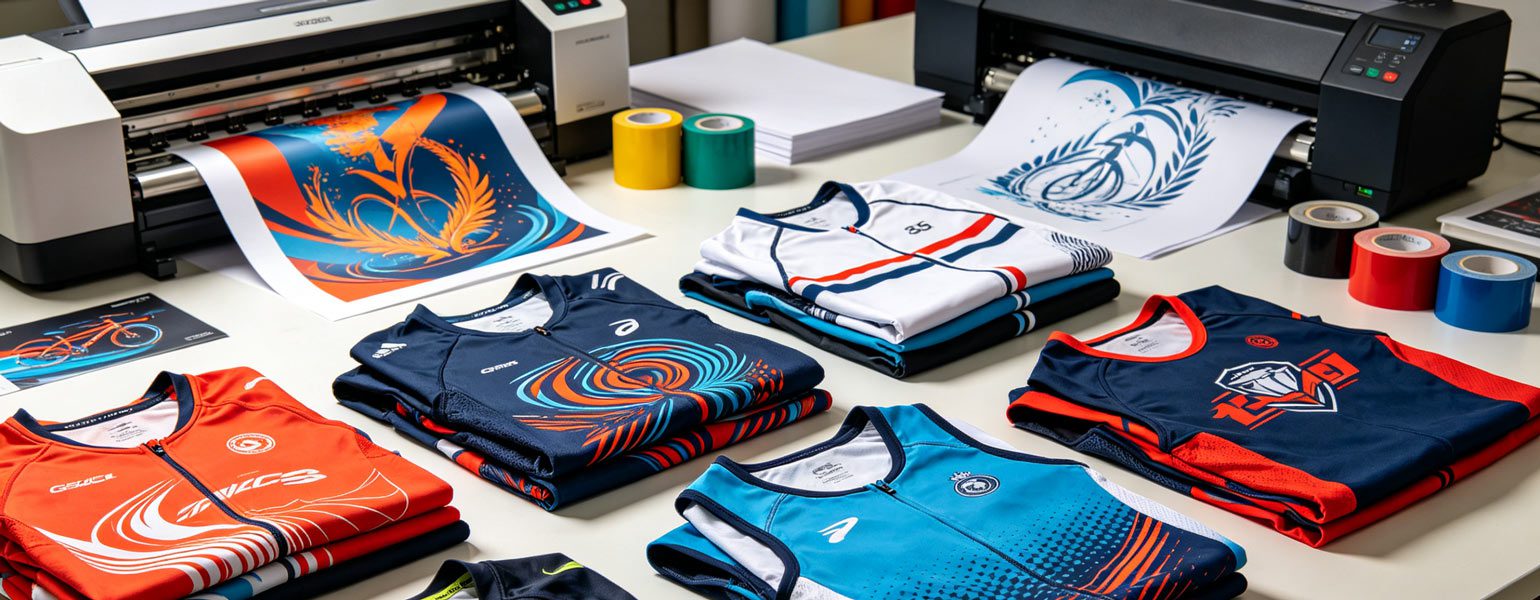
For performance sportswear, sublimation continues to hold serious ground.
There’s a reason cycling jerseys, team kits, racewear, compression gear and swimwear rely so heavily on it.
Because it solves problems that other decoration methods struggle with.
All-over print without compromise
Sublimation delivers full-coverage printing across an entire garment.
Bold patterns.
Sponsor-heavy team jerseys.
Gradient fades.
Complex technical graphics.
No heavy ink layers. No cracking. No peeling.
That matters in sportswear.
Zero-hand feel
This is huge.
With sublimation, the dye becomes part of the polyester fabric.
There’s no raised texture sitting on top.
For athletes, comfort matters.
Breathability matters.
Stretch recovery matters.
And sublimation supports all of that.
Durability under stress
Sportswear gets punished.
Sweat.
Sun.
Washing.
Stretching.
Abrasion.
Cheap decoration methods can struggle here.
Sublimation has built its reputation precisely because it performs.
That’s hard-earned trust.
And in technical apparel, trust often matters more than trends.
The UK Sports and Outdoor Market Supports Ongoing Demand
This isn’t theoretical.
The UK’s fitness, cycling, running and outdoor sectors continue to create demand for decorated performance apparel.
Running clubs are everywhere.
Cycling communities remain strong.
Grassroots team sports are huge.
Hyrox and endurance events keep growing.
Functional branded apparel keeps expanding.
That creates steady demand for sublimated garments.
And not just from big brands.
Small sportswear labels.
Clubwear suppliers.
Independent teamwear businesses.
Event merch providers.
They all need reliable production methods.
Many still choose sublimation.
That makes this a specialist opportunity, not a disappearing one.
And specialist opportunities often carry better margins.
Where DTF Often Can’t Replace Sublimation
This is where investment thinking gets interesting.
Because sublimation does not survive only through sportswear.
It still dominates or holds major ground in several categories.
Fabric-Based Displays and Soft Signage
This is a serious business segment that newer entrants often underestimate.
Trade show graphics.
Backdrops.
Retail fabric displays.
Exhibition walls.
Tension fabric systems.
Flags.
Indoor promotional signage.
Sublimation is deeply established here.
Why?
Because it produces vibrant colour, lightweight products and professional-grade textile graphics.
And the UK exhibition and events industry keeps driving demand.
This isn’t low-ticket hobby printing.
This is commercial work.
Often repeat business.
Often B2B.
Often higher value.
For investors, that matters.
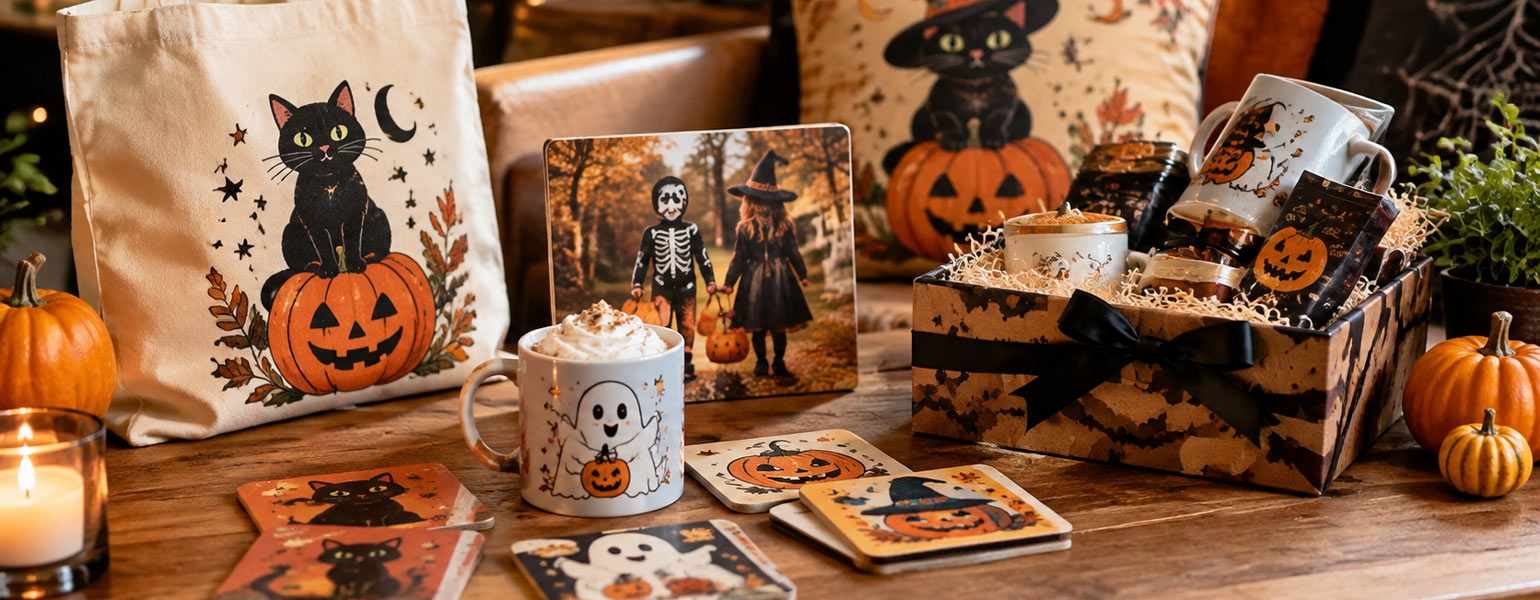
Personalised Home Décor and High-End Gifts
People sometimes associate sublimation only with mugs and beginner craft products.
That’s a mistake.
There’s a premium end of sublimation many overlook.
Metal photo panels.
Luxury personalised gifts.
Premium drinkware.
Decor textiles.
Designer cushions.
Custom blankets.
Photo products.
High-end personalised gifting still loves sublimation because the print quality can be stunning.
Rich colour.
Photographic detail.
Long-lasting results.
That market hasn’t disappeared.
It has matured.
Big difference.
Corporate and Promotional Products
Promotional products in the UK remain huge.
And many premium promo items still lean on sublimation.
Branded drinkware.
Desk accessories.
Corporate gifting.
Hospitality products.
Tourism merchandise.
Again, not everything has moved to DTF.
Far from it.
Why Investors Shouldn’t Ignore the Profit Side
Here’s something people don’t talk about enough.
Revenue is exciting.
Margins are what matter.
And specialist sublimation often protects margins better than crowded commodity printing.
That’s important in 2026.
Because low-cost personalised print is getting brutally competitive.
Everyone can print a novelty t-shirt.
Everyone can chase low-ticket Etsy-style products.
That race often ends in price wars.
Sublimation niches can be different.
Technical apparel.
Soft signage.
Higher-end personalised goods.
These often reward expertise.
And expertise usually sells better than cheap volume.
That makes sublimation interesting not just as a printing method, but as a business positioning strategy.
The Technology Keeps Improving
Another reason people underestimate sublimation? They’re judging it based on older equipment.
But equipment has improved in some game-changing ways in just the last few years. Modern sublimation presses are not only faster but also far more energy efficient, making it easier for businesses to scale up production without sending operating costs through the roof. Some of the latest printer models offer faster warm-up times and larger print areas, while next-generation heat presses include features like smart temperature controls for better consistency.
On the colour front, advanced RIP software and automated colour calibration mean getting vibrant, accurate results with much less effort. Cloud-based workflow solutions can speed up order management, proofing, and printing, which helps shops handle higher volumes and meet tighter deadlines.
Papers have improved. Blank product ranges have exploded. The range of substrates keeps expanding, opening up new markets. Workflow software is better.
Colour management is stronger. Productivity is better.
The sublimation ecosystem today is not what it was five or ten years ago. For business owners, these advances mean lower waste, reduced error rates, and sharper, more reliable output.
That matters for investors looking forward, not backwards.
A Smarter View Is DTF and Sublimation, Not DTF Versus Sublimation
This may be the biggest mindset shift of all.
Many successful print businesses are not choosing one or the other.
They’re running both.
And that’s smart.
DTF for versatility.
Sublimation for performance niches.
That hybrid model is showing up more and more in the UK.
Because customers ask for different things.
Markets shift.
Product mixes evolve.
A business with multiple decoration methods can adapt.
For investors, that means sublimation doesn’t have to be a standalone bet.
It can be part of a broader growth strategy.
That lowers risk considerably.
Where Opportunity Still Looks Strong in 2026
If you’re looking at where sublimation still feels promising, several segments stand out.
Performance sportswear and teamwear.
Cyclewear.
Swimwear.
Running apparel.
Soft signage and exhibition graphics.
Personalised premium gifts.
Photo products.
Home décor.
Corporate-branded products.
Custom textile products.
None of these looks like dying categories.
Some are growing.
Some are stable.
Some are underserved.
That is often where opportunity lives.
What About Small Businesses Entering Now?
If you’re a smaller business wondering whether you missed the boat, probably not.
In fact, there may be less noise in some sublimation niches now because so many newcomers chased easier DTF products.
That can create openings.
Especially if you focus less on commodity products and more on specialist value.
That’s where newer businesses can still carve out space.
Not by competing on cheap mugs.
But by solving better problems.
That’s a very different business.
And usually a healthier one.
So, Is Sublimation Still Worth Investing In?
If you think sublimation is only about low-cost blanks and hobby printing, you might conclude the market is shrinking.
If you understand where sublimation remains hard to replace, the picture looks very different.
It starts looking less like old technology.
And more like specialist technology.
That distinction matters.
Because specialist technologies tend to survive longer than people expect.
Sometimes they become even more valuable as mass-market competition intensifies.
And that may be exactly what’s happening.
In the UK print industry, DTF has absolutely changed the conversation.
But it has not closed the book on sublimation.
Not even close.
For the right products and the right markets, sublimation still offers a real opportunity in 2026.
Possibly a better opportunity than many people assume.
Building That Opportunity with the Right Equipment
Of course, success in sublimation is never just about the printing method itself.
Equipment quality matters.
Blank quality matters.
Workflow matters.
Support matters.
That’s where working with experienced suppliers makes a real difference.
Signzworld continues supporting businesses entering or expanding in sublimation with heat presses, sublimation blanks, transfer papers, printers and production solutions suited for both startup and professional environments.
Whether you’re exploring sportswear decoration, soft signage production or higher-margin personalised products, choosing the right setup can dramatically affect results.
And if you’re still weighing whether sublimation fits your business model, the Signzworld team can also provide practical advice, product guidance and professional consultation to help you invest with more confidence.
Because in print, the right opportunity often starts with the right guidance.