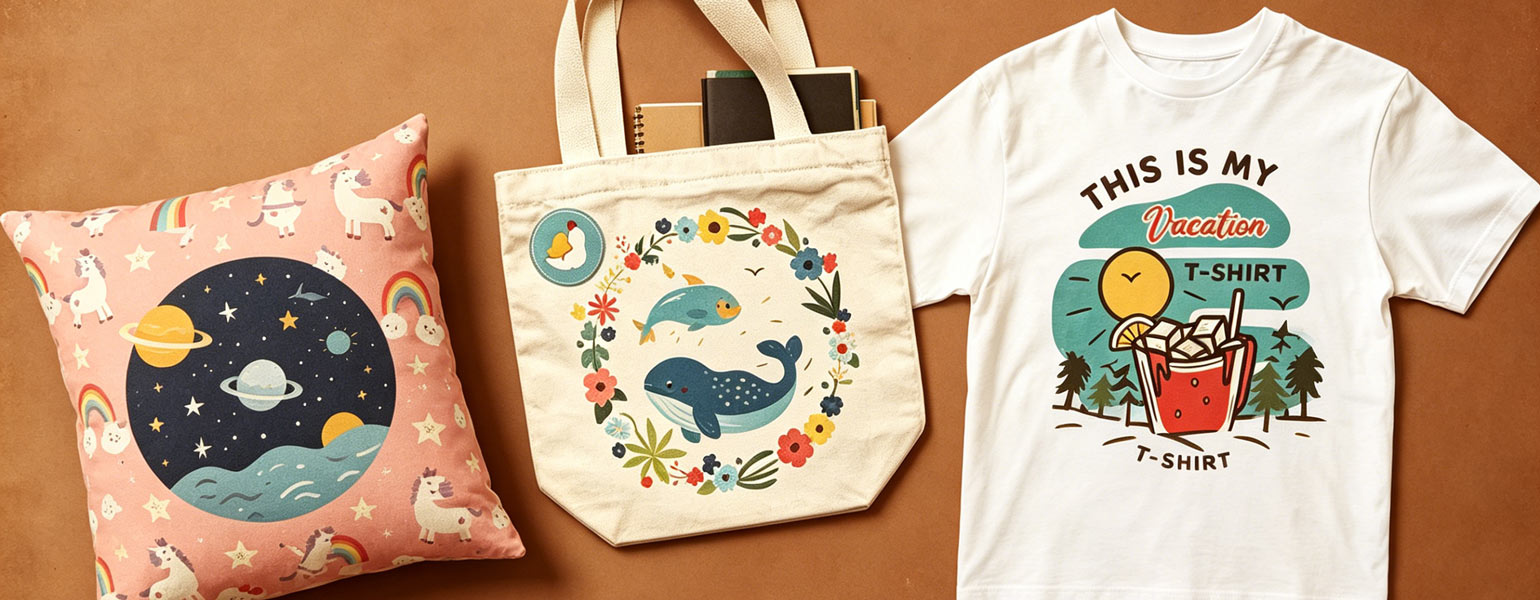
Walk through any shopping centre in the UK right now, and you’ll probably spot sublimation printing without even realising it. Sports shirts with full-colour graphics, personalised tote bags in gift shops, custom cushions on Etsy, festival banners, branded workwear, even those trendy oversized graphic tees people are wearing with cargos and Sambas lately. Sublimation printing is everywhere.
A lot of beginners assume the printer or heat press is the most important part of the process. In reality, the fabric often decides whether the final product looks premium or disappointing.
That’s why experienced sublimation businesses spend so much time choosing materials carefully. The same design can look vibrant and sharp on one fabric, then dull, patchy, or blurry on another. Some fabrics feel luxurious and sell easily online. Others look good for one wash and then suddenly become “garage sale quality”.
If you’re starting a sublimation business, experimenting with custom products, or simply trying to avoid wasting blanks and ink, understanding fabrics matters far more than most YouTube tutorials admit.
Why Fabric Choice Matters So Much in Sublimation Printing
Unlike vinyl or screen printing, sublimation ink doesn’t sit on top of the material. During heat transfer, the dye turns into a gas and bonds directly with polyester fibres. That’s why sublimation prints usually feel smooth rather than rubbery or heavy.
The catch is simple:
Sublimation loves polyester.
The more polyester a fabric contains, the brighter and longer-lasting the print tends to be. Cotton, on the other hand, usually causes faded colours and weak transfers unless special coatings or hybrid methods are used.
This is also why many first-time users get confused after buying random blank shirts online. The printer settings may be correct. The heat press may be fine. But if the fabric composition is wrong, the results will never fully improve.
Over the past few years, UK buyers have also become much more aware of quality. Cheap-feeling personalised products used to sell easily. Now, customers compare texture, softness, wash durability, and colour depth almost instantly. TikTok and Etsy reviews have made buyers surprisingly picky.
That means choosing the right sublimation fabric is no longer just a technical issue. It directly affects customer satisfaction, repeat orders, and profit margins.
Polyester Fabric Still Dominates the Sublimation Industry
There’s a reason polyester remains the king of sublimation printing.
It transfers colour beautifully, holds detail well, and works consistently across thousands of products. Modern polyester fabrics are also much softer than they used to be. Years ago, polyester shirts often felt shiny and uncomfortable. Today’s performance polyester can feel lightweight, breathable, and surprisingly premium.
Polyester T-Shirts
This is usually where most people start.
Polyester T-shirts are beginner-friendly because they’re forgiving and predictable. If your pressure, temperature, and paper alignment are decent, you’ll usually get good results quickly.
They work especially well for:
- Sportswear
- Gym clothing
- Event shirts
- Promotional apparel
- Full-print fashion graphics
- Gaming and esports merchandise
One common beginner mistake is using low-quality polyester blanks that look thin or shiny. Cheap fabric often causes uneven colour absorption and can make prints appear overly glossy.
Another classic issue is moisture.
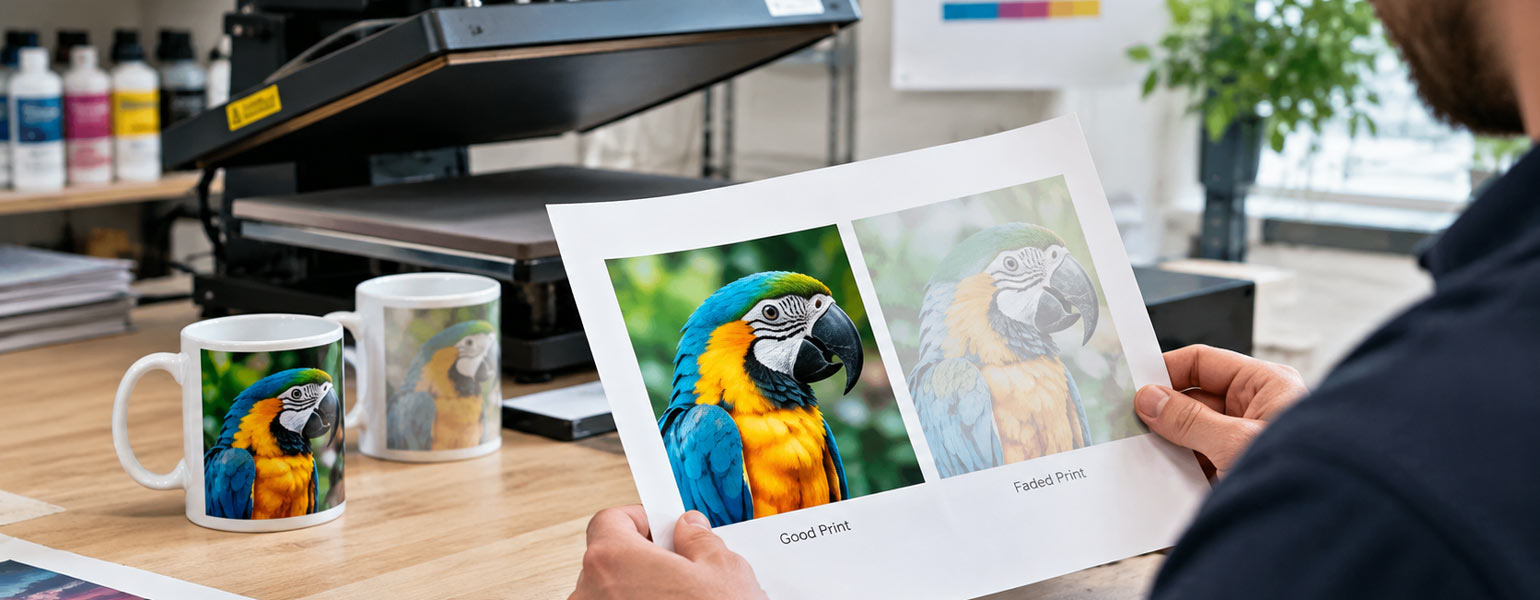
Polyester absorbs small amounts of humidity from the air, and if you skip pre-pressing the shirt for a few seconds, steam can create blurry areas or faded patches. Many newcomers panic and blame the ink when it’s actually trapped moisture.
Ghosting is another frequent problem. This happens when the transfer paper shifts slightly after pressing. Large graphics and lightweight shirts are especially vulnerable. Using heat-resistant tape and lifting the press carefully helps a lot.
In the UK market, oversized streetwear-style sublimation tees have quietly become more popular recently, especially among younger Etsy sellers and small clothing brands. Vintage faded designs, motorsport graphics, anime-inspired prints, and Y2K aesthetics are doing particularly well.
Polyester Canvas and Tote Bag Materials
Tote bags have become one of the easiest entry points for small sublimation businesses.
They’re affordable, simple to ship, and highly giftable. In the UK, especially, personalised tote bags continue to perform well at craft fairs, university markets, and online handmade platforms.
However, not all canvas is suitable for sublimation.
Traditional cotton canvas struggles badly with sublimation ink. Beginners often buy cheap cotton tote bags from wholesale marketplaces and then wonder why their colours look washed out.
For sublimation, polyester canvas or high-poly blends work much better.
These materials are commonly used for:
- Shopping bags
- Book totes
- Cosmetic bags
- Promotional merchandise
- Small business packaging
A big mistake here is ignoring fabric texture. Rough canvas surfaces can reduce sharpness, especially for fine text or detailed illustrations. Bold graphics usually perform better than tiny intricate designs.
Another thing many beginners learn the hard way is seam pressure. Tote bags often have thick stitched edges that prevent even pressing. A pressing pillow or pad underneath the printable area can improve consistency dramatically.
Profit-wise, tote bags are interesting because the blank cost stays relatively low while customers happily pay premium prices for personalised designs.
Cushion Covers and Home Decor Fabrics
Home decor exploded during the post-pandemic years, and personalised soft furnishings still remain strong in the UK market.
Sublimation cushion covers are especially popular because they combine practicality with emotional gifting. Family photos, pet portraits, seasonal designs, minimalist typography, and wedding gifts all perform well.
The most common materials include:
- Polyester linen
- Peach skin fabric
- Velvet-feel polyester
- Suede polyester blends
Each creates a very different mood.
Polyester linen gives a more natural and slightly rustic look, though colours may appear softer.
Peach skin fabrics produce sharper prints and vibrant colours, but feel smoother and more synthetic.
Velvet-style polyester has become trendy lately for luxury-style home decor products, especially during autumn and winter collections.
The biggest mistake with cushions is overheating.
Some textured fabrics flatten permanently under excessive heat and pressure. Beginners often assume “more pressure equals better transfer”, but delicate home decor materials can easily become shiny or damaged.
Lint is another hidden problem. Cushion fabrics attract fibres, pet hair, and dust constantly. A lint roller before pressing is essential.
Sports and Performance Fabrics Are Booming
If there’s one area where sublimation truly dominates, it’s sportswear.
Screen printing still exists, but sublimation offers lightweight full-colour designs without affecting breathability. That’s why football kits, cycling jerseys, esports uniforms, and gym apparel rely heavily on sublimation today.
Popular performance fabrics include:
- Moisture-wicking polyester
- Interlock knit polyester
- Birdseye mesh
- Stretch polyester blends
- Spandex-polyester hybrids
These materials are excellent for activewear because the print becomes part of the fabric rather than sitting heavily on top.
But stretch fabrics introduce their own challenges.
If the material stretches significantly after printing, colours can appear lighter in stretched areas. This becomes obvious with dark designs on leggings or compression garments.
Temperature control matters more here too. Thin sports fabrics can scorch surprisingly easily.
A lot of UK startup brands are currently moving toward niche activewear rather than generic printed T-shirts. Running clubs, local gyms, cycling communities, and amateur football teams all create opportunities for small sublimation businesses.
Short-run customisation is one of sublimation’s biggest strengths.
Newer Trending Sublimation Fabrics Worth Watching
The sublimation market has evolved massively in recent years. Customers want products that feel less “cheap promotional merch” and more lifestyle-oriented.
Several newer materials have become increasingly popular.
Recycled Polyester Fabrics
Sustainability matters more now, especially in the UK and Europe.
Recycled polyester made from plastic bottles has gained serious traction for tote bags, apparel, and event merchandise. Buyers often respond positively when sustainability is mentioned clearly in product descriptions.
Interestingly, many recycled polyester fabrics now feel softer than older standard polyester.
The challenge is consistency. Some recycled fabrics vary slightly between batches, which can affect colour output.
Faux Linen Blends
These fabrics mimic the textured appearance of linen while maintaining enough polyester content for sublimation.
They’re everywhere right now in:
- Rustic home decor
- Farmhouse-style products
- Wedding signage
- Boutique cushion collections
People like them because they photograph well for Instagram and Etsy listings.
Soft-Touch Brushed Polyester
This fabric category has become extremely popular for blankets, hoodies, and winter products.
The tactile feel matters a lot in online sales now. Buyers often mention softness in reviews more than print quality itself.
However, brushed fabrics can sometimes produce slightly muted prints because the fibres diffuse the image.
UV-Reactive and Festival Fabrics
This niche has grown quietly alongside music festivals and nightlife branding.
Certain polyester blends react under UV lighting and create eye-catching effects for rave wear, event merchandise, and nightclub products.
They’re not mainstream yet, but younger audiences love them.
Which Sublimation Fabrics Are Best for Beginners?
If you’re new to sublimation printing, simplicity matters more than immediately chasing trends.
Starting with difficult fabrics too early is one of the fastest ways to waste money and lose confidence.
Here’s what usually works best:
Easiest Starting Point
- White polyester T-shirts
- Polyester tote bags
- Basic cushion covers
These products are affordable, forgiving, and easy to source.
Medium Difficulty
- Stretch sportswear
- Textured fabrics
- Darker polyester blends
These require better heat control and more testing.
Advanced Level
- Mixed-material fashion garments
- Large-format soft signage
- Multi-layer textiles
- Delicate luxury fabrics
These products can be highly profitable but demand experience.
A lot of beginners actually overcomplicate sublimation at the start. They buy expensive printers, huge heat presses, fancy software subscriptions, and dozens of random blanks before mastering the basics.
Meanwhile, some of the most successful small sellers simply focus on a few reliable products and make them consistently well.
Profit Margins and Market Reality in the UK
This part matters because social media often makes sublimation businesses look unrealistically easy.
Yes, there’s still good money in personalised products.
But the easy-money phase from years ago has cooled down. Customers now expect:
- Faster delivery
- Better fabric quality
- Softer garments
- Cleaner packaging
- Professional photography
- Strong branding
That said, sublimation still offers relatively low startup costs compared to embroidery or DTG printing.
Tote bags and cushions usually provide healthy profit margins because blanks remain inexpensive.
Sportswear can be profitable too, though sizing complexity and returns increase.
Oversaturated products are the biggest danger right now. Generic slogan shirts and low-effort designs struggle badly unless they target a niche audience.
Interestingly, UK buyers currently seem more drawn to personality-driven products than to purely aesthetic ones. Humorous local references, pet-related designs, hobby communities, retro British culture, and nostalgic graphics tend to perform better than generic motivational quotes.
Another trend worth watching is short-run customisation.
People increasingly want “made for me” products rather than mass-produced items. Small sublimation businesses can compete surprisingly well here because they can personalise quickly without massive minimum orders.
Common Fabric Mistakes That Ruin Sublimation Projects
Even experienced printers still occasionally make these mistakes.
Using Cotton for Standard Sublimation
This remains the biggest beginner error by far.
Standard sublimation simply does not bond properly with natural cotton fibres. Results usually appear faded and wash out quickly.
Ignoring Fabric Colour
Sublimation works best on white or very light polyester.
Because sublimation ink is transparent, it cannot print true white. Dark fabrics dramatically affect final colours.
Pressing Too Long
Longer pressing does not automatically improve transfers.
Overheating can cause:
- Scorch marks
- Fabric shine
- Blurred prints
- Dye migration
- Press lines
Cheap Blank Materials
Low-quality fabrics often create inconsistent results, no matter how good your equipment is.
Experienced sellers usually spend more time sourcing reliable blanks than choosing trendy printers.
Skipping Test Prints
Different fabrics behave differently.
A setting that works perfectly for polyester shirts may fail on velvet cushions or textured tote bags.
Testing saves money in the long run.
Building a Small Sublimation Business Without Burning Out
One thing experienced sellers rarely say out loud is this:
Trying to sell everything usually fails.
The strongest sublimation businesses often focus on a clear lane.
For example:
- Sports clubs
- Pet lovers
- Festival merchandise
- Wedding decor
- Gaming communities
- Home decor
- Local businesses
- Gym apparel
Once you understand which fabrics work best for your niche, production becomes faster and far less stressful.
You also stop wasting money on random blanks that looked exciting on TikTok but never actually sell.
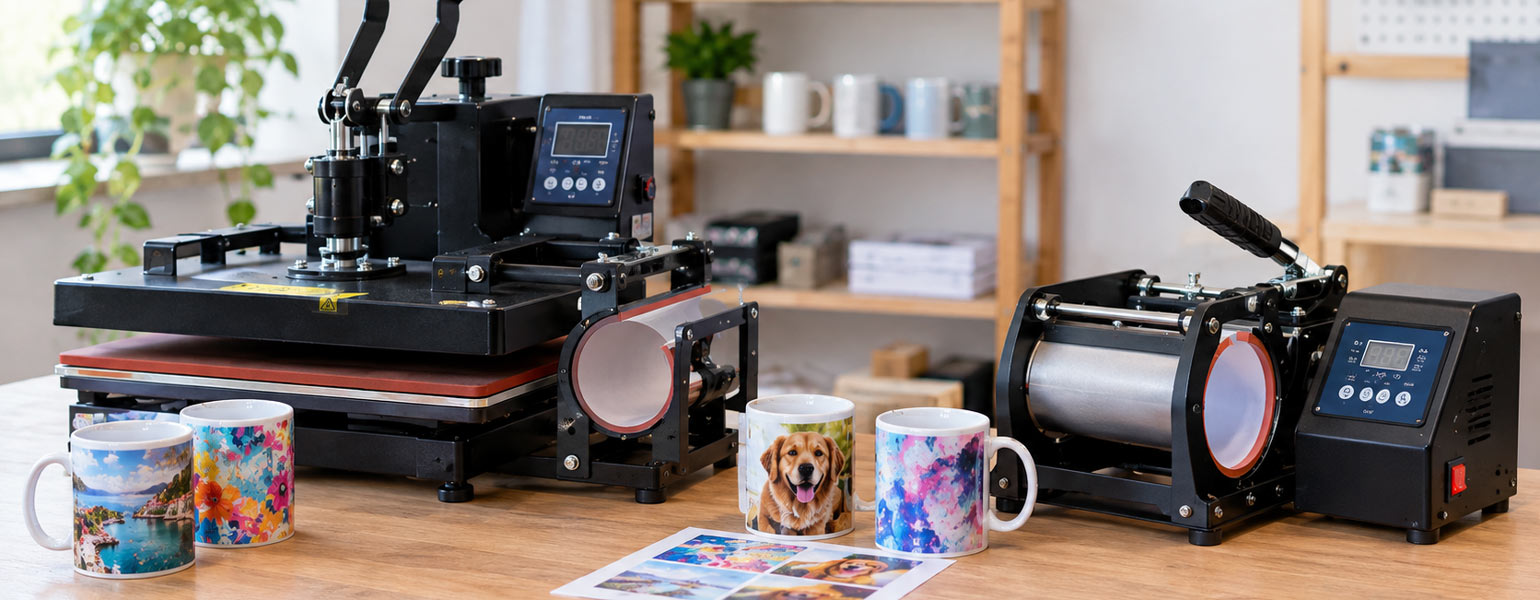
For equipment, reliability matters more than chasing the cheapest possible setup. A stable heat press with even pressure can save enormous amounts of frustration, especially when working with textured or delicate fabrics.
That’s one reason many small businesses eventually upgrade to more professional equipment and sublimation supplies from companies like Signzworld. Their range of heat presses, sublimation blanks, printers, and transfer materials has become fairly well known among UK custom printing businesses looking for dependable production tools without jumping straight into industrial-level costs.