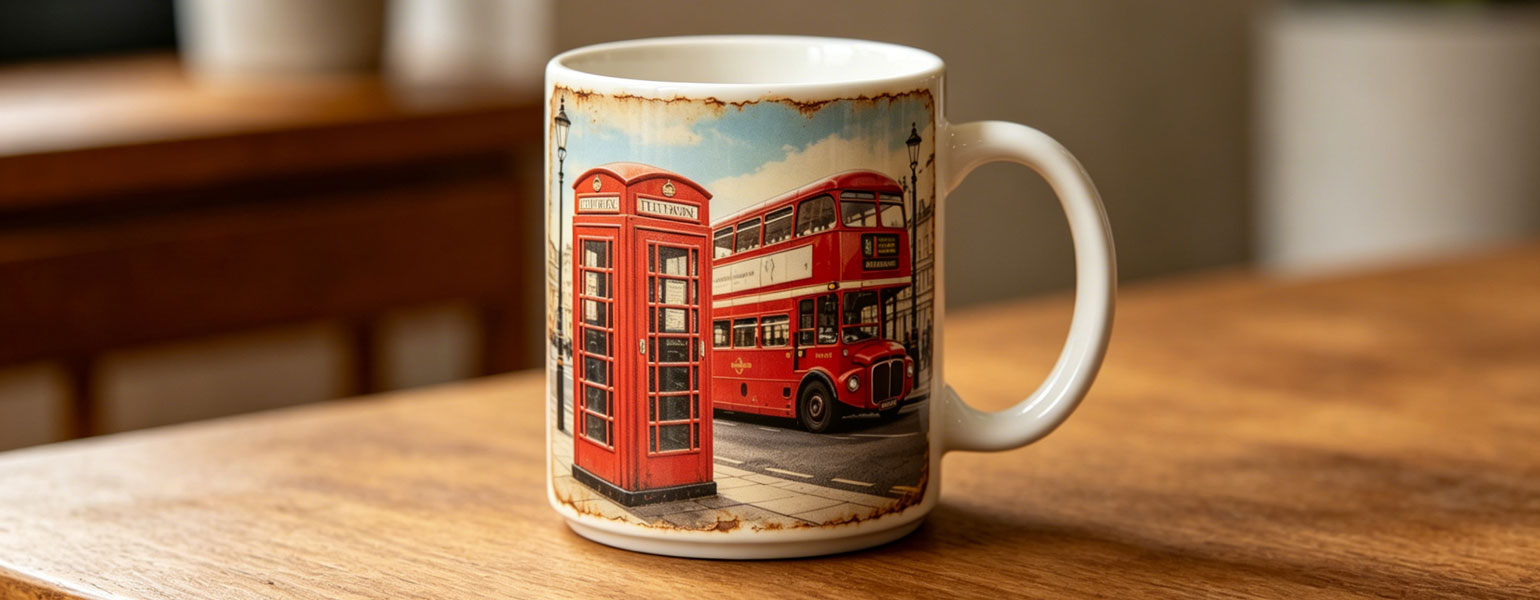
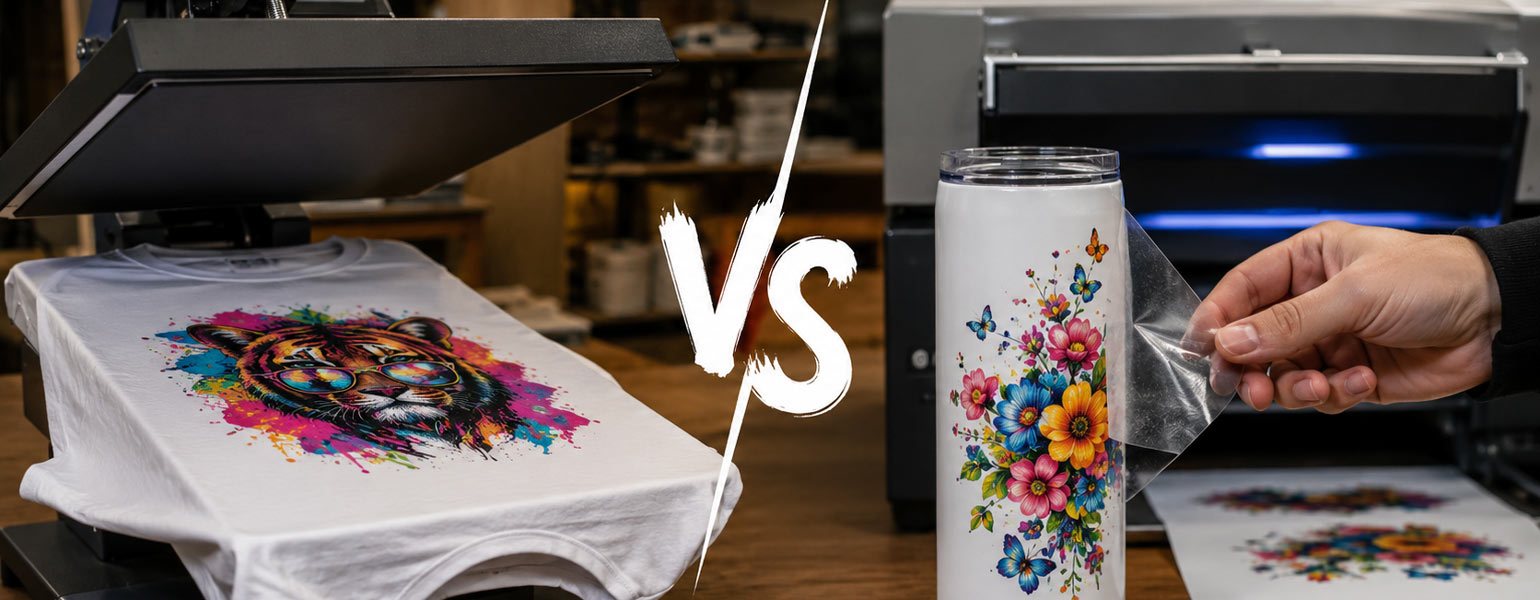
Sublimation printing is a popular method for transferring vibrant designs onto various surfaces, from mugs and T-shirts to phone cases and metal panels. While the process seems straightforward, success relies on precise temperature control, timing, and the proper use of essential tools. One tool that often gets overlooked, yet is vital for achieving flawless results, is heat tape. In this article, we’ll explore what heat tape is, why it’s important, and how to use it correctly in the sublimation printing industry.
What is Heat Tape?
Heat tape, also referred to as high-temperature tape, is a type of adhesive tape designed to withstand high heat without melting, leaving residue, or compromising your sublimation project. Unlike standard masking tape or office tape, heat tape is engineered specifically for applications that involve heat presses, ovens, and other high-temperature environments.
Key Features of Heat Tape
- High Heat Resistance: Can typically withstand temperatures of 180°C–220°C (356°F–428°F) or higher.
- Residue-Free: Leaves no sticky residue on surfaces after use.
- Strong Adhesion: Holds sublimation paper or other materials firmly in place during the transfer process.
- Durability: Can endure multiple heat cycles without losing adhesion.
Why is Heat Tape Important in Sublimation Printing?
Sublimation printing involves transferring ink from a sublimation paper to a substrate using heat and pressure. During this process, the paper must remain perfectly aligned to avoid ghosting, smudging, or misprints. This is where heat tape comes in.
Preventing Paper Movement
When the paper shifts, even slightly, it can ruin your print. Heat tape secures the paper in place, ensuring precise transfers, particularly on curved or irregular surfaces like mugs, tumblers, or phone cases.
Protecting Your Substrate
Heat tape can also prevent direct contact between the heat press and delicate surfaces, minimizing scratches, ink bleeding, or other surface damage.
Enhancing Efficiency
Using heat tape correctly allows for a faster workflow. Once the tape is applied, you can confidently press multiple items without worrying about readjusting the paper each time.
How to Choose the Right Heat Tape
Not all heat tapes are created equal. When selecting heat tape for your sublimation projects, consider the following factors:
1. Temperature Rating
Check the maximum heat tolerance. For most sublimation processes, you’ll need tape that can withstand at least 200°C (392°F). Using tape with a lower temperature rating can lead to melting or adhesive failure.
2. Adhesive Strength
The tape should be strong enough to hold your paper in place but easy to remove afterward. A too-strong adhesive may leave residue or damage the substrate, while a too-weak adhesive may not hold the paper during pressing.
3. Width
Choose a width that matches your project. Wider tape provides better hold for large prints, while narrower tape is ideal for small, detailed work or tight curves.
4. Residue-Free Guarantee
Always opt for a tape labeled “residue-free” or “designed for high-temperature applications.” This ensures clean removal and preserves your print and equipment.
How to Use Heat Tape Correctly
Using heat tape properly is critical to achieving professional-quality results. Here’s a step-by-step guide:
Step 1: Prepare Your Materials
Ensure both your sublimation paper and substrate are clean, dry, and free from dust or oils. Even minor debris can affect adhesion and print quality.
Step 2: Cut the Tape
Cut a piece of heat tape slightly longer than the edge of your sublimation paper. This provides enough coverage to secure it without interfering with the design area.
Step 3: Apply the Tape
Carefully apply the tape along the edges of the sublimation paper. Press it down firmly to ensure proper adhesion. Avoid placing tape directly over the design, as this may leave marks or shadows.
Step 4: Press with Care
Place the taped item in your heat press. Follow the recommended temperature, pressure, and time settings for your specific substrate. Avoid moving the item once it’s in the press.
Step 5: Remove the Tape
After pressing, allow the item to cool slightly if necessary. Then gently remove the tape, pulling it slowly to prevent peeling or damage. Check that no residue remains; if it does, wipe it off carefully with a soft cloth.
Common Mistakes to Avoid
Even experienced professionals can make errors when using heat tape. Here are some common pitfalls:
- Using the Wrong Tape: Never use masking tape or scotch tape, which cannot handle high temperatures.
- Applying Over the Design: Always tape the edges, not the printed area.
- Insufficient Adhesion: Ensure tape is firmly pressed onto the paper to avoid shifting during pressing.
- Reusing Tape Excessively: Some high-temp tapes can be reused, but repeated use may reduce adhesion.
Additional Tips for Sublimation Success
- Test your heat tape on a scrap piece first to ensure it performs as expected.
- Keep multiple rolls of tape handy to accommodate different project sizes.
- Store tape in a cool, dry place to maintain its adhesive quality.
- Pair heat tape with protective sheets like Teflon or butcher paper to avoid direct contact with your heat press.
Where to Get Quality Heat Tape
For professionals and DIY enthusiasts in the sublimation industry, using high-quality supplies is key. Signzworld offers a range of heat tape suitable for various sublimation projects. Their products are designed for reliability, durability, and residue-free performance, ensuring your prints come out crisp and vibrant every time.
Conclusion
Heat tape may seem like a small accessory, but it plays a critical role in sublimation printing. By keeping your sublimation paper firmly in place, protecting delicate substrates, and enhancing workflow efficiency, heat tape ensures professional-quality results every time. Choosing the right tape, applying it correctly, and avoiding common mistakes can make all the difference in your printing projects.
Whether you’re a seasoned professional or a DIY enthusiast, investing in reliable heat tape and other sublimation tools from trusted suppliers like Signzworld can help you achieve consistent, high-quality results.