In the printing industry, besides heat presses and plotters, there’s another type of machine designed to transfer dyes deep into coated substrates—the sublimation laminator.
Although its name contains the word “laminator”, don’t be misled. A sublimation laminator is completely different from a standard office laminator (often called a pouch laminator). Today, with Signzworld, let’s break down the key differences.
How They Work
- Traditional Laminator
Uses heat and pressure to bond a plastic film onto the surface of paper or photos. Its purpose is surface protection—making documents water-resistant, more durable, and fade-resistant. - Sublimation Laminator
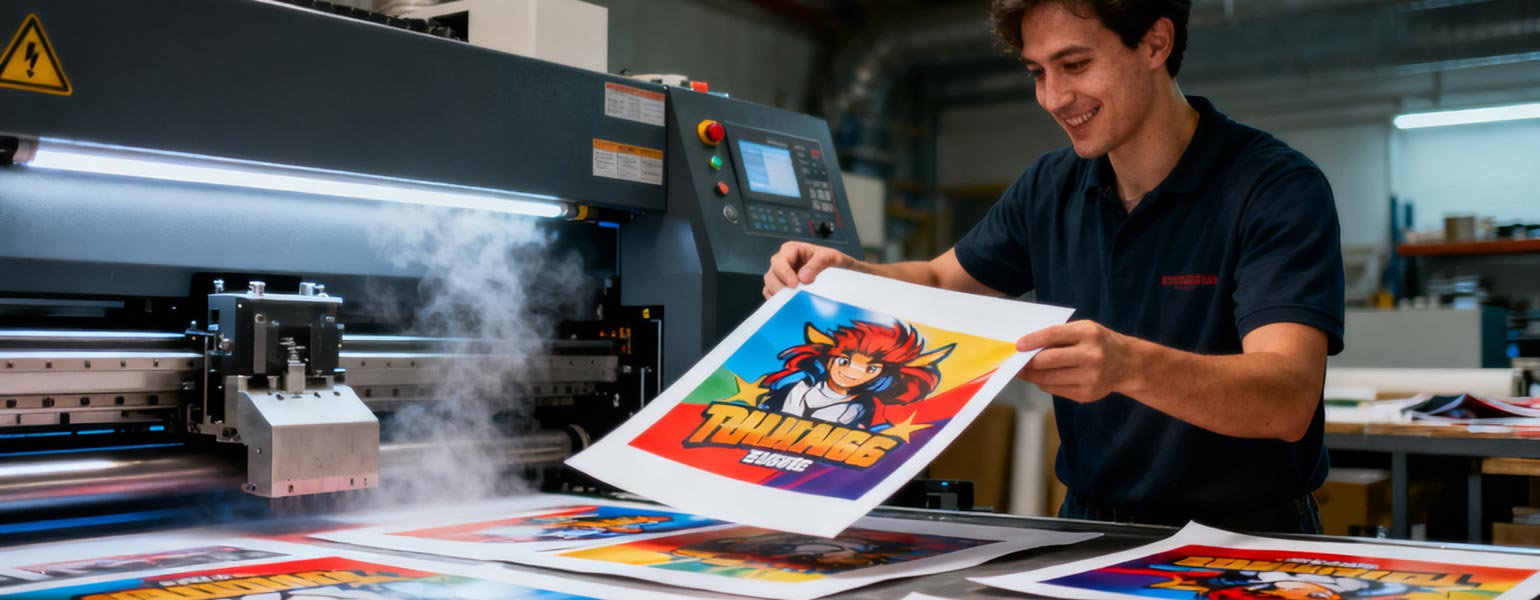
After sublimation printing, it applies heat and pressure to transfer sublimation dye from solid to gas and embed it into coated substrates such as plastic, metal, wood, or PVC cards. The focus here is color infusion rather than film coating. The result: long-lasting designs that won’t peel or fade.
Main Applications
- Traditional Laminator
Commonly used for documents, photos, ID cards, and flyers. It adds gloss, water resistance, and fingerprint protection, but the film simply sits on top of the surface. - Sublimation Laminator
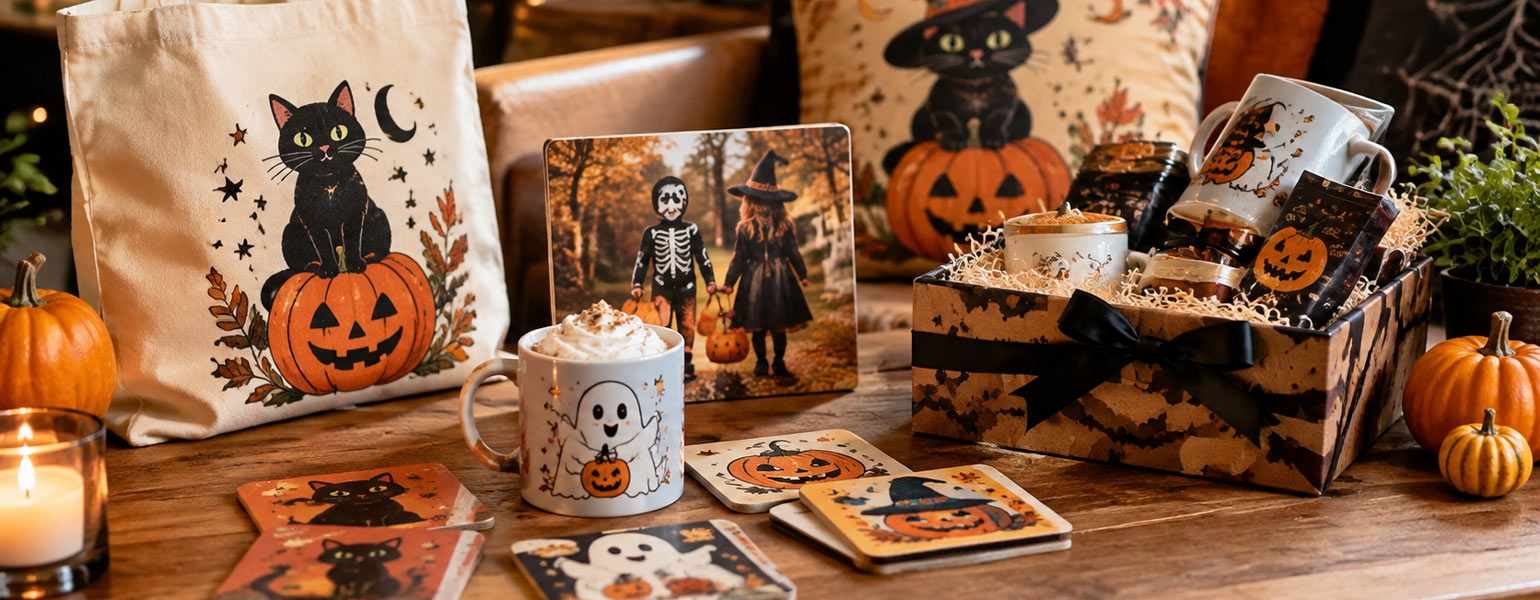
Ideal for creating custom products such as phone cases, mugs, wooden plaques, metal signs, and PVC cards. Because the ink penetrates the material, the colors are vibrant, scratch-resistant, and extremely durable.
Temperature and Process
- Traditional Laminator
Operates at relatively low temperatures (80–120℃). The main purpose is to melt the adhesive layer of the film and press it onto paper. - Sublimation Laminator
Requires higher heat (160–200℃) and precise control of both temperature and pressure to ensure the sublimation process—gasification, penetration, and solidification—is successful.
Final Results
- Traditional Laminator
Produces a glossy finish with a clear “film layer” visible to the eye. - Sublimation Laminator
Embeds the design directly into the material, maintaining the natural texture and creating a finish that is scratch-proof, heat-resistant, and fade-resistant over time.
Use Cases
- Traditional Laminator
Popular in offices, schools, and photo labs where the primary goal is protecting documents and paper-based items. - Sublimation Laminator
Widely used in personalized gift shops, e-commerce customization businesses, and small-scale factories where decoration and product branding are the focus.
Quick Recap
Sublimation laminators and traditional laminators differ in principle, application, temperature requirements, and use cases.
- A sublimation laminator is designed to press color into materials, making it perfect for customization and decoration.
- A traditional laminator is meant to add a protective film layer, mainly for safeguarding documents.
Signzworld’s Recommendation
If your goal is to expand into personalized gifts or custom printing, a sublimation laminator is the right investment. At Signzworld, we recommend choosing a machine that matches your production needs—whether you’re starting a small Etsy shop, running an e-commerce store, or scaling up a local print business. With the right equipment, you’ll create products that aren’t just protected, but truly unforgettable.