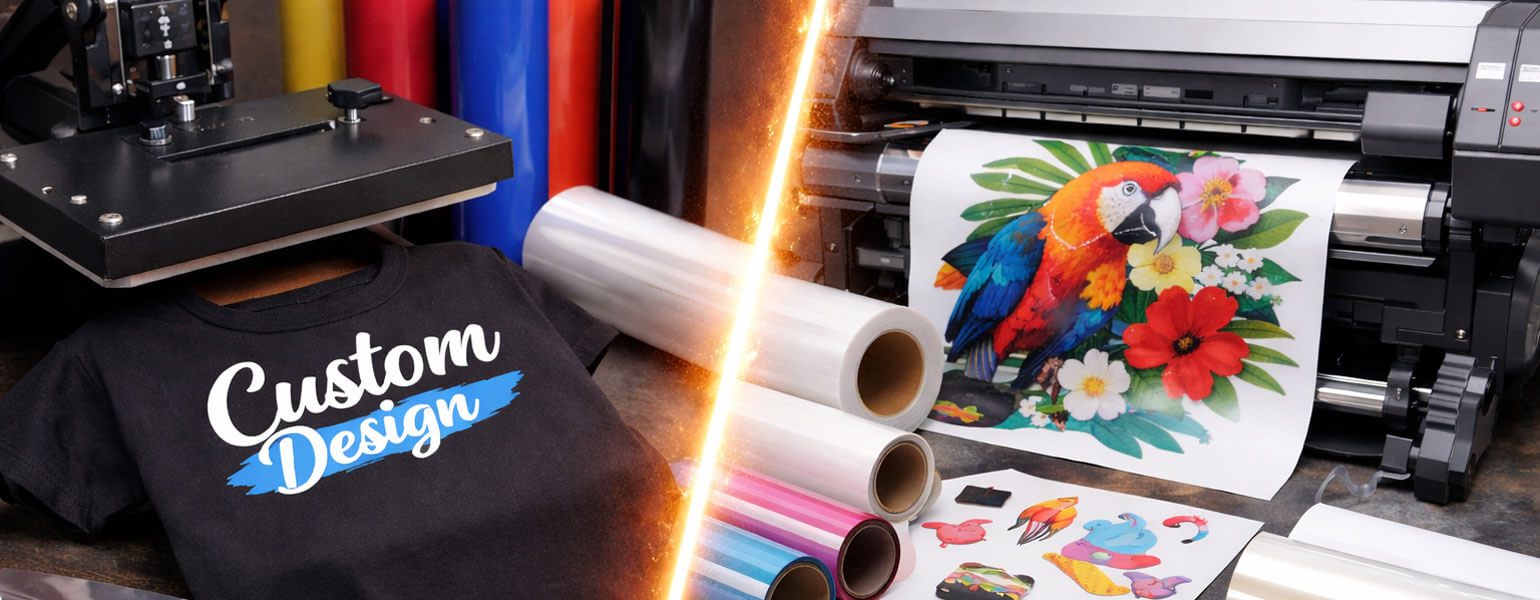
When you’re just starting a heat press business, getting your first products made feels like a huge win. You’ve chosen your designs, mastered the heat press settings, and finally created something you’re proud of.
Then comes the part that many beginners struggle with the most: pricing.
The price is too high, and you worry that customers won’t buy.
Price too low, and you may get sales, but no real profit.
In reality, pricing isn’t just a number on a product page. It directly affects your profitability, your brand positioning, and whether your business can grow sustainably. Understanding how to price your heat-pressed products correctly is one of the most important skills you can develop as a seller.
This guide breaks the process down step by step, helping you price with confidence and purpose.
Why Pricing Matters More Than You Think
Many new sellers focus heavily on production—machines, materials, and designs—while treating pricing as an afterthought. That’s a mistake.
Your price determines:
- Whether your business makes money or just stays busy
- How customers perceive your brand
- Whether you can reinvest in better equipment and materials
A well-priced product doesn’t just cover costs; it supports long-term growth. Underpricing may bring short-term sales, but it often leads to burnout and stalled progress.
Step 1: Calculate Your True Production Cost
Before you can set a profitable price, you need to understand exactly how much each product costs to make. This includes all material costs and can vary depending on product type. Let’s walk through a sample calculation for a t-shirt:
Include All Material Costs
For heat-pressed products, this usually includes:
– Blanks (t-shirts): $3.00 each
– HTV, sublimation paper, or transfer sheets: $1.50 per shirt
– Ink or toner: $0.50 per shirt
– Protective sheets or covers: $0.10 per shirt
The total material cost for a single t-shirt comes to $5.10. Be precise. Small costs add up quickly over time.
For heat-pressed products, this usually includes:
- Blanks (t-shirts, hoodies, tote bags, mugs, etc.)
- HTV, sublimation paper, or transfer sheets
- Ink or toner
- Protective sheets or covers
Be precise. Small costs add up quickly over time.
Account for Equipment and Overhead
Your heat press machine, cutter plotter, and printer are investments. While you don’t need to recover the full cost immediately, part of each sale should contribute to equipment usage.
Also factor in:
- Electricity
- Workspace costs
- Packaging
- Shipping materials
- Platform fees (Etsy, Shopify, marketplaces)
Ignoring overhead is one of the most common pricing mistakes beginners make.
Step 2: Don’t Forget Your Labor
Your time has value—even if you’re running the business from home.
Ask yourself:
- How long does one item take to produce?
- What is a reasonable hourly rate for your work? To determine this, consider factors like the local minimum wage, your skill level, and experience. You can set an hourly rate starting from local minimum wage levels, adjusting upwards based on your expertise and the complexity of your work. For example, if you are highly skilled or offer specialized designs, you might set a higher rate.?
Whether it’s designing, pressing, cutting, or packing, your labor should be built into the price. If your pricing doesn’t compensate for your time, the business won’t be sustainable.
Step 3: Research the Market (Without Racing to the Bottom)
Looking at competitors is important, but copying their prices blindly is risky.
What to Look At Instead
- Average price range for similar products
- Differences in quality, materials, or customization
- Brand positioning: handmade, premium, bulk, personalized
If your product offers better durability, clearer prints, or faster turnaround, your price should reflect that. Competing only on price often attracts the least loyal customers.
Step 4: Choose the Right Pricing Model
There’s no single “correct” pricing formula, but these methods are commonly used in heat press businesses.
Cost-Plus Pricing
This involves adding a fixed markup to your total cost.
Example:
If a t-shirt costs $8 to produce and you apply a 2.5x markup, your price would be $20.
This model is simple and ensures you cover expenses, but it doesn’t always reflect perceived value.
Value-Based Pricing
Here, pricing is influenced by how much customers are willing to pay, not just your costs.
Custom designs, niche themes, or personalized products often justify higher prices—even if production costs are similar.
Many successful sellers use a mix of cost-based and value-based pricing.
Step 5: Build in Room for Discounts and Growth
Promotions are a normal part of e-commerce, but they only work if your base price allows for them.
When setting prices, consider:
- Seasonal sales
- Bundle deals
- Wholesale or bulk orders
If your margins are already thin, discounts can quickly turn profitable orders into losses.
Step 6: Quality and Consistency Justify Higher Prices
Customers may not understand heat press techniques—but they do notice results.
Consistent pressure, accurate temperature control, and reliable materials all contribute to:
- Better color vibrancy
- Stronger adhesion
- Longer-lasting products
This is where equipment matters. A stable heat press with even heating reduces errors, waste, and remakes, helping protect your margins. Over time, investing in dependable machines and accessories can make pricing easier because your production costs become more predictable.
Step 7: Review and Adjust Your Prices Regularly
Pricing isn’t something you set once and forget.
Revisit your prices when:
- Material costs increase
- You upgrade equipment
- Demand grows
- Your brand becomes more established
As your skills and efficiency improve, your pricing should evolve with your business.
Pricing Confidence Comes From Preparation
One of the biggest challenges new sellers face isn’t math—it’s confidence. When you understand your costs, your market, and your value, pricing decisions become far less stressful.
Instead of asking, “Will customers pay this?”, you’ll start asking, “Does this price support my business goals?”
Supporting Your Pricing Strategy with the Right Tools
Efficient production plays a quiet but important role in pricing. Reliable heat press machines, quality blanks, and consistent consumables help reduce errors, wasted materials, and time loss.
Many small businesses choose suppliers like Signzworld for heat press machines, sublimation blanks, vinyl cutters, and heat transfer materials because dependable equipment supports consistent output—making cost control and pricing decisions more predictable over time.
When your tools work with you instead of against you, protecting your profit margin becomes much easier.
Pricing isn’t just about numbers—it’s about valuing your work and building a business that lasts. By approaching pricing with clarity and strategy, your heat-pressed products can be both competitive and genuinely profitable.