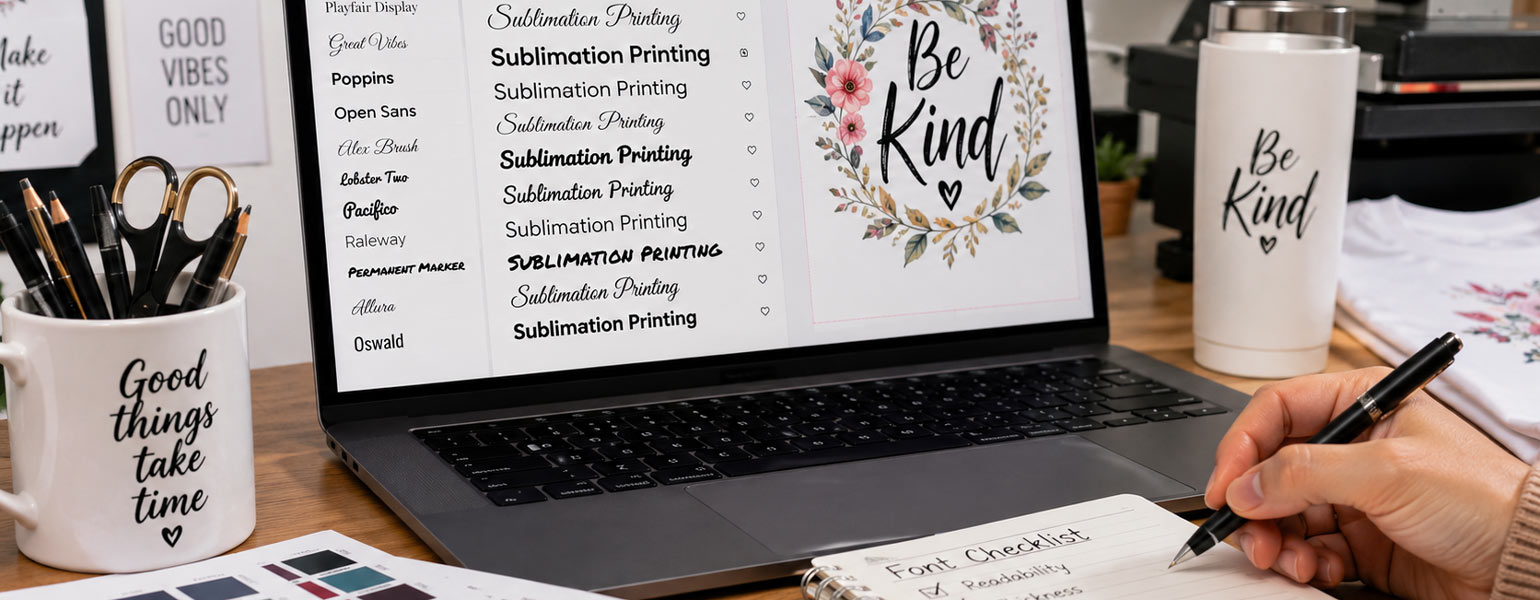
With years of experience in the printing industry, I often meet beginners and small business owners who want to make smart choices that save money and boost efficiency. A frequent question is whether to choose sublimation or inkjet printing. Picking the right option can help lower startup costs and increase long-term value.
At first, these two technologies might look similar since both use ink and printers to put images on products. However, they actually serve different purposes and create different results.
In this article, you’ll leave knowing exactly which printer to buy as I break down sublimation printing vs inkjet printing in a practical, easy-to-understand way. We will examine how each method works, its strengths and weaknesses, and most importantly, how to select the right one based on real-world applications.
Understanding the Basics of Inkjet Printing
Inkjet printing is one of the most widely used printing technologies in the world. You’ll find inkjet printers everywhere—from home offices to professional print shops.
How Inkjet Printing Works
Inkjet printers work by spraying tiny droplets of liquid ink directly onto the surface of the material. The ink sits on top of the substrate and dries through absorption or evaporation.
Inkjet printing is compatible with a wide range of materials, including:
- Regular paper
- Photo paper
- Cardstock
- Vinyl
- Some coated fabrics
Due to this versatility, inkjet printers are often the preferred choice for everyday printing tasks.
Advantages of Inkjet Printing
From a practical standpoint, inkjet printing offers several clear benefits:
- Low entry cost: Inkjet printers are generally affordable, making them accessible for beginners.
- Material flexibility: You can print on many different surfaces without specialized coatings.
- Good color quality: Modern inkjet printers can produce sharp images and vibrant colors, especially on photo paper.
- Easy setup: Minimal learning curve and simple maintenance for most users.
Limitations of Inkjet Printing
However, inkjet printing also has some drawbacks that become more noticeable in commercial or long-term use:
- Ink durability: Prints may fade over time, especially when exposed to sunlight or moisture.
- Surface vulnerability: Ink remains on the surface and can scratch or smear.
- Ongoing ink costs: Cartridge-based systems can become expensive with frequent use.
- Limited product durability: Not ideal for items that require washing or heavy handling.
What Is Sublimation Printing?
Sublimation printing is a specialized printing process designed for long-lasting, professional-grade results. It is especially popular in custom product printing and small manufacturing businesses.
How Sublimation Printing Works
Instead of sitting on the surface, sublimation ink transforms from a solid into a gas when exposed to heat. This gas bonds directly with polymer-coated surfaces or polyester materials, becoming part of the material itself.
The result is a print that won’t crack, peel, or fade under normal use.
Sublimation printing works best on:
- Polyester fabrics
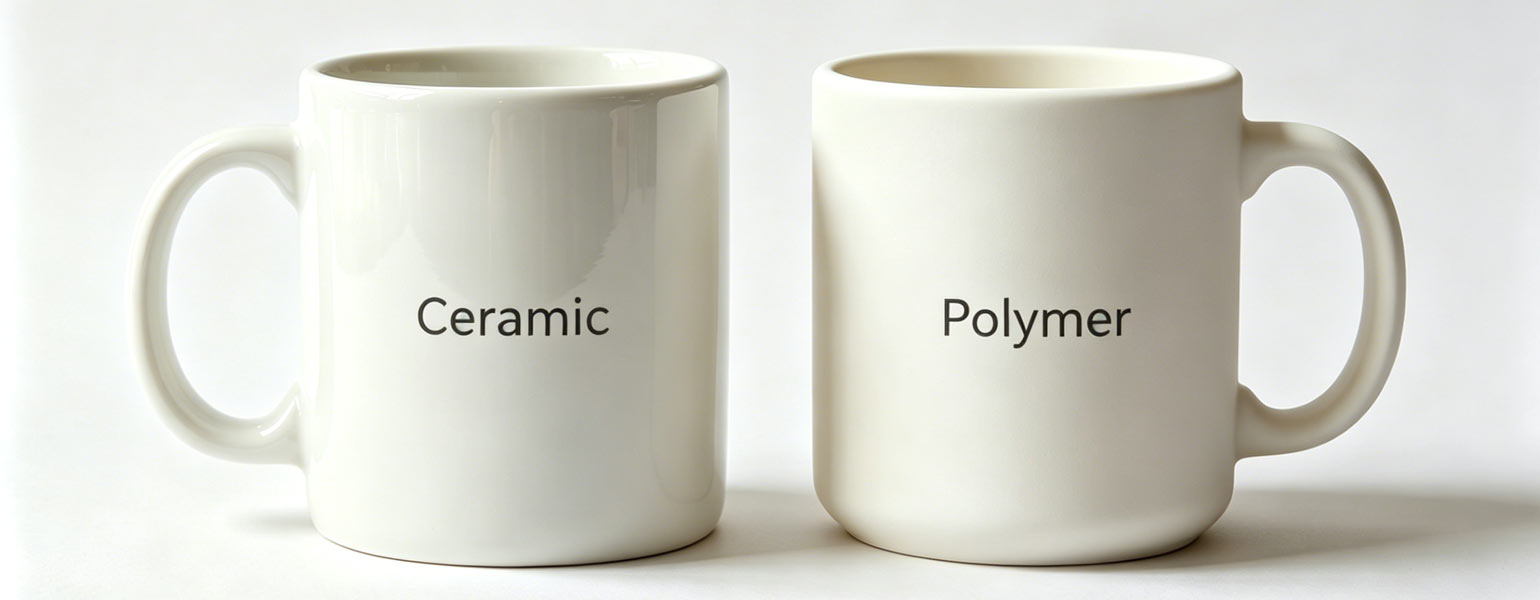
- Polymer-coated hard goods (mugs, phone cases, metal panels)
- Sublimation blanks specifically designed for heat transfer
Advantages of Sublimation Printing
From an industry perspective, sublimation printing stands out for its durability and finish quality:
- Permanent prints: The ink becomes part of the material, not a surface layer.
- Wash-resistant and fade-resistant: Ideal for apparel and drinkware.
- Smooth, professional finish: No texture or raised ink feel.
- Excellent for full-color designs: Gradients and photos transfer beautifully.
- Perfect for customization and personalization: Widely used for on-demand production.
Limitations of Sublimation Printing
Despite its strengths, sublimation printing is not a universal solution:
- Material limitations: Requires polyester or coated surfaces.
- Higher startup cost: Requires a sublimation printer, sublimation ink, and a heat press.
- No white ink: Designs work best on light-colored backgrounds.
- More steps are involved: Printing, pressing, and temperature control must be precise.
Sublimation Printing vs Inkjet Printing: A Practical Comparison
Let’s compare these two methods side by side from a real-world usage perspective.
Print Durability
If durability matters, sublimation printing clearly has the edge. Inkjet prints can fade or wash out over time, while sublimation prints are designed to last for years.
Best choice for durability: Sublimation printing
Material Compatibility
Inkjet printing is more flexible when it comes to materials, especially paper-based products. Sublimation printing is more selective but excels within its intended material range.
Best choice for material variety: Inkjet printing
Best choice for coated products and polyester: Sublimation printing
Cost Considerations
Inkjet printing has a lower initial cost, making it suitable for casual or low-volume use. Sublimation printing requires more upfront investment but offers better long-term value for businesses.
Best choice for beginners on a tight budget: Inkjet printing
Best choice for growing businesses: Sublimation printing
Print Finish and Quality
Inkjet prints can look excellent, but the ink remains on the surface. Sublimation prints have a smooth, embedded finish that feels more professional.
Best choice for premium products: Sublimation printing
Choosing the Right Printing Method for Your Application
The best printing method depends entirely on what you plan to create.
When Inkjet Printing Makes More Sense
Inkjet printing is ideal if you:
- Print documents, flyers, or photos
- Work mainly with paper products.
- Need a low-cost, general-purpose printer.
- Don’t require extreme durability.
When Sublimation Printing Is the Better Choice
Sublimation printing is the better option if you:
- Customize apparel, mugs, tumblers, or promotional items.
- Sell products online or through marketplaces like Etsy.
- Need long-lasting, wash-resistant prints.
- Want professional-grade results for commercial use
From my experience, many small businesses start with inkjet printing but eventually move to sublimation printing once they focus on product customization and long-term quality.
Final Thoughts from an Industry Perspective
There is no single “best” printing method—only the best one for your goals.
Inkjet printing remains a reliable and flexible solution for everyday printing tasks. Sublimation printing, on the other hand, is a powerful tool for businesses that prioritize durability, product value, and professional presentation.
Understanding the strengths and limitations of each technology allows you to invest wisely and avoid costly mistakes as your printing needs grow.
Professional Sublimation Solutions from Signzworld
If you’re ready to explore sublimation printing or upgrade your existing setup, Signzworld offers a carefully selected range of sublimation printers, heat presses, and related equipment designed for both beginners and professional users.
Signzworld focuses on reliable performance, consistent color output, and practical solutions that support real-world production needs. Whether you’re launching a custom printing business or scaling up your current operation, choosing the right equipment can make all the difference.
To learn more about sublimation printers and complete printing solutions, visit Signzworld and explore products built to support long-term success in the printing industry.